
Couples Therapy for ADHD: Tools for Navigating ADHD in Relationships
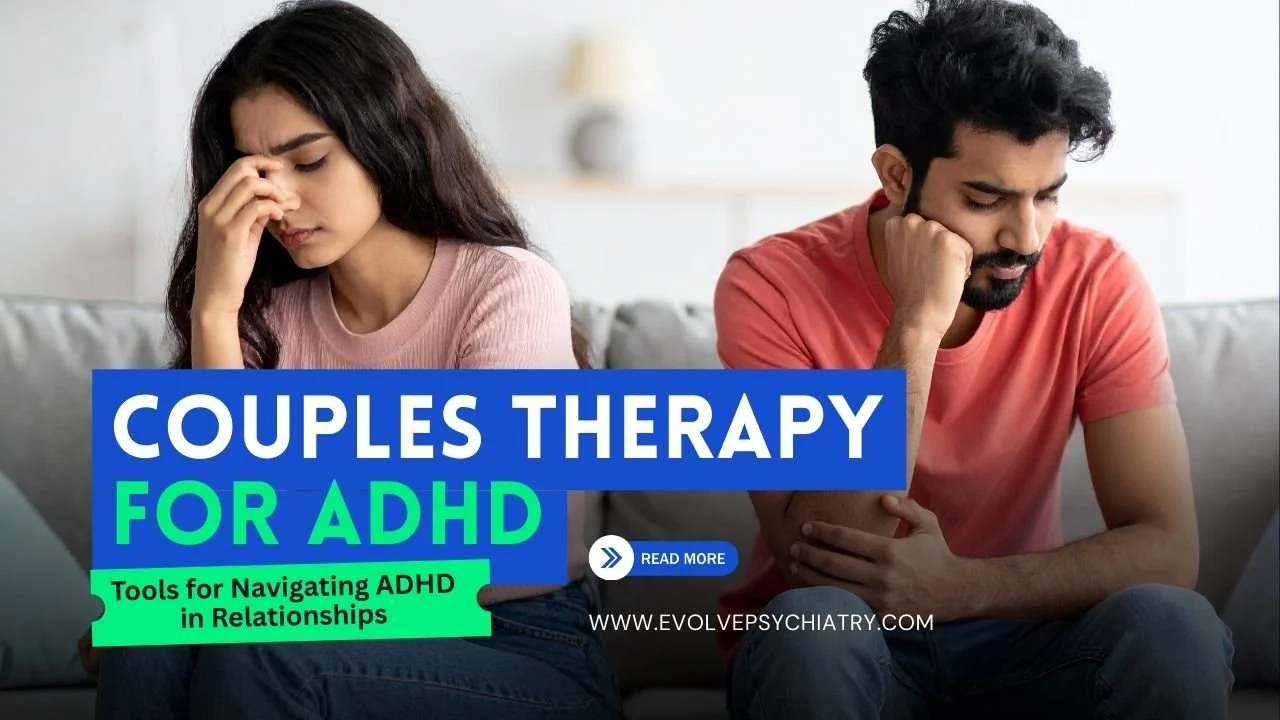
When ADHD Disrupts Love: Can Couples Therapy Help?
ADHD affects more than focus, routines, or memory. It can quietly impact the foundation of romantic relationships. For couples where one or both partners live with ADHD, daily life may feel like a rollercoaster of emotional highs and communication breakdowns. One person might feel overwhelmed or dismissed, while the other struggles with guilt, frustration, or forgetfulness.
If this sounds familiar, you are not alone. ADHD in relationships is more common than many realize. While the challenges are real, they are not impossible to manage. Couples therapy offers tools, support, and understanding that can help partners work as a team instead of feeling like they are on opposing sides. In this blog, we will explore how ADHD shows up in relationships and how couples therapy can help.
Read: What Does ADHD Stand For?
Understanding ADHD in Relationships
ADHD, or Attention-Deficit/Hyperactivity Disorder, is a condition that affects focus, organization, memory, impulse control, and emotional regulation. While it’s often discussed in the context of school or work, it also influences how people show up in their relationships.
In couples where one partner has ADHD, common patterns may appear:
Forgetting plans or commitments
Losing track of time or mismanaging responsibilities
Interrupting conversations or jumping between topics
Difficulty staying present during discussions
Emotional outbursts or mood swings
These behaviors may not be intentional, but they can leave the non-ADHD partner feeling ignored, unimportant, or overwhelmed. On the other hand, the partner with ADHD may feel criticized, misunderstood, or constantly falling short.
Over time, these repeated misunderstandings can lead to frustration, emotional distance, or cycles of blame. Understanding how ADHD functions is a critical step toward change.
Why ADHD Affects Relationship Patterns
The challenges in an ADHD-affected relationship do not usually come from a lack of love. Instead, they often stem from miscommunication and unmet expectations. Partners may misread each other's actions or assume the worst.
For example, if a person with ADHD forgets a date night or an important task, the other partner might feel ignored or disrespected. Meanwhile, the ADHD partner may feel terrible for forgetting and become defensive or shut down.
This leads to a common pattern: one partner pursues closeness or clarity, while the other avoids conflict or zones out. These “pursue and withdraw” dynamics cause more hurt over time.
Here’s a relatable scenario:
One partner is venting about a stressful day.
The ADHD partner tries to help but interrupts or offers solutions too quickly.
The first partner feels unheard. The ADHD partner feels confused about what went wrong.
These moments seem small but can build into lasting emotional wounds. That is why addressing the relationship patterns—not just the symptoms—is essential. Couples therapy is designed to do just that.
How Couples Therapy Helps ADHD-Affected Relationships
Couples therapy is a structured way to help both partners understand how ADHD impacts their connection and how to work through it together. A trained therapist acts as a guide, helping both people express themselves clearly and listen without defensiveness.
Therapists help couples:
Identify and name unhelpful patterns
Learn how ADHD affects emotions, memory, and communication
Practice new ways of expressing needs and feelings
Understand each other’s stress responses
Set boundaries and share responsibilities more effectively
Instead of assigning blame, therapy focuses on building a team mindset. It encourages each person to take ownership of their actions and work together toward shared goals.
One of the biggest benefits of couples therapy in ADHD relationships is that it provides structure. For couples feeling lost in chaotic patterns, structure can bring clarity and peace. It turns guesswork into progress.
Key Tools and Communication Exercises for Couples
Couples therapy teaches practical tools to strengthen connection, especially when ADHD plays a role. These tools focus on communication, emotional regulation, and shared routines. Here are a few you might encounter in sessions:
Weekly Check-In
A regular, scheduled conversation helps couples stay connected. During this check-in, you talk about how the week went, what went well, and what felt difficult. This builds consistency and reduces tension from surprise conflicts.
Visual Reminders and Shared Calendars
For couples struggling with forgetfulness or task management, visual aids are helpful. A shared online calendar or a whiteboard with weekly plans can keep both partners on the same page.
“I Feel” Statements
Instead of blaming or accusing, couples learn to use statements like, “I feel hurt when plans change last minute because it makes me feel unimportant.” These statements reduce defensiveness and build understanding.
Pause and Return
This tool allows couples to take a break during heated moments. Agreeing to pause a conversation and return after calming down helps avoid saying things in frustration that can’t be taken back.
These communication exercises for couples help build healthy habits that reduce the stress ADHD can create. When practiced consistently, they make difficult conversations easier and strengthen trust.
Finding the Right Couples Therapist for ADHD Support
Not all therapists specialize in ADHD or relationship dynamics. Finding someone who understands both is important. A good couples therapist for ADHD will recognize how neurodiversity shapes interactions and can offer practical solutions without judgment.
Here are steps to find the right fit:
Search by Specialty
Use online platforms and search for therapists who mention ADHD, communication work, or neurodiverse couples. Phrases like “couples therapist near me” or “marriage counselling for ADHD” can help.
Ask About Experience
When contacting a therapist, ask questions like:
Have you worked with couples where one or both partners have ADHD?
What approach do you use in helping improve communication?
Do you include practical tools or at-home exercises?
Consider Format and Flexibility
Some couples prefer in-person therapy, while others find virtual sessions easier. Choose the option that works best for your schedule and energy.
Trust the Connection
In the first few sessions, pay attention to how both of you feel. Do you feel heard? Is the therapist neutral and supportive? It’s okay to try someone else if it doesn’t feel right.
The goal is to find someone who helps both partners grow without shame. That safe space can make all the difference.
Encouragement and Realistic Hope
Living with ADHD in a relationship does not mean your love is doomed. Yes, there will be challenges—but those challenges are manageable with understanding, patience, and support.
Couples therapy offers a path forward. It does not aim to change the ADHD partner or “fix” anyone. Instead, it teaches both people how to communicate more clearly, reduce stress, and appreciate each other’s strengths.
Many couples who commit to therapy and practice what they learn find deeper connection, better routines, and more fun in their daily lives. Progress may be slow at times, but it is always possible.
If your relationship feels stuck in confusion or tension, don’t wait for a major breakdown. Help is available, and it’s okay to ask for it.
Get Help from Evolve Psychiatry
If you’re ready to explore couples therapy for ADHD, Evolve Psychiatry is here for you. Our experienced clinicians offer thoughtful, structured support to help you and your partner reconnect, rebuild, and thrive together.
Evolve Psychiatry offers in person care at six clinics across New York and North Carolina:
Our therapists understand how ADHD affects relationships and provide the guidance and tools needed to improve communication and emotional safety. If you're looking for compassionate care that meets you where you are, reach out today. A stronger relationship is possible—and we’re here to help you get there.
