
Signs You May Need Couples Therapy: Early Warning Signals
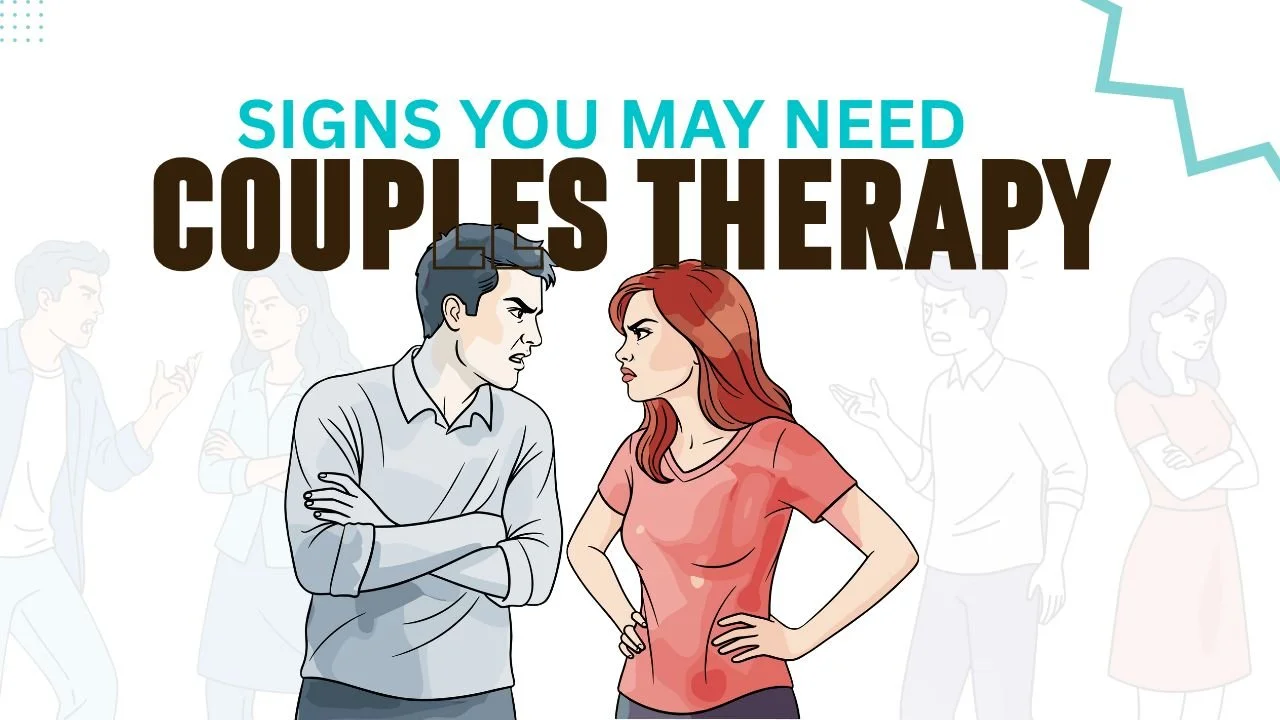
Signs You May Need Couples Therapy
Is This Just a Rough Patch, or a Sign You Need Couples Therapy?
Every relationship goes through ups and downs. Stress at work, health issues, money worries, or family responsibilities can affect how couples relate to each other. Because of this, many partners tell themselves, “This is just a phase,” or “Things will get better on their own.” Sometimes they do. But sometimes, what looks like a small rough patch is actually an early warning sign that the relationship needs support.
Couples therapy is often misunderstood as something only needed when a relationship is about to end. In reality, it is most effective when couples seek help early. Early signs are usually quieter. They show up as tension, distance, or repeated misunderstandings rather than major fights. Learning to recognize these signs can help couples take action before hurt and resentment grow deeper. This blog explains common early warning signals and helps you decide when couples therapy may be the right next step.
Frequent Arguments That Never Really Get Resolved
Disagreements are normal in any relationship. The problem starts when the same arguments happen again and again without resolution. You may notice that fights begin over small issues, like chores, schedules, or communication style, but quickly turn emotional.
In these situations, the real issue often stays hidden. For example, an argument about dishes may actually be about feeling unappreciated or unheard. When conflicts repeat without closure, they create frustration and emotional fatigue. Over time, both partners may feel like nothing ever changes, no matter how much they talk.
This is one of the clearest signs you may need couples therapy. A couples therapist helps identify the deeper patterns behind repeated conflict. Therapy provides tools to address the real concerns instead of going in circles. Early intervention can prevent these arguments from turning into long-term resentment.
Avoidance, Silence, or Emotional Distance
Some couples argue often. Others stop arguing altogether. While constant fighting is stressful, complete silence can be just as concerning. Avoidance happens when partners stop talking about important topics because it feels easier than dealing with conflict.
You may notice long periods of silence, surface-level conversations, or spending more time apart even when you are together. Emotional distance can also show up as reduced affection, less interest in each other’s day, or avoiding shared activities.
This pattern is a common relationship red flag. Silence is often a sign that one or both partners feel unsafe, exhausted, or hopeless about communication. Couples therapy helps create a space where difficult conversations feel safer. It supports partners in reconnecting emotionally and rebuilding trust in communication.
Ongoing Trust Issues, Jealousy, or Unresolved Hurt
Trust is the foundation of any healthy relationship. When trust is shaken, even small issues can feel overwhelming. Trust problems do not always come from infidelity. They can also develop from broken promises, dishonesty, emotional neglect, or past conflicts that were never fully addressed.
You may notice ongoing jealousy, constant checking, or repeated reassurance-seeking. One partner may feel defensive, while the other feels anxious or suspicious. Even when apologies have been made, the hurt may still linger.
These are strong signs you may need couples therapy. Unresolved hurt rarely heals on its own. Couples therapy early intervention helps partners talk openly about trust issues in a structured way. A therapist can guide the conversation so that both people feel heard and supported while working toward rebuilding emotional safety.
Disagreements About the Future That Feel Bigger Than Compromise
Every couple has differences. Healthy relationships allow room for compromise and flexibility. Problems arise when disagreements about the future feel constant and unsolvable.
Common areas include finances, parenting, career goals, living arrangements, or expectations around family involvement. For example, one partner may want children while the other feels unsure. Or one partner may prioritize career growth while the other values stability.
When these conversations lead to repeated tension, avoidance, or fear of the future, it may be time to ask, “Should we do couples counselling?” Couples therapy helps partners explore values, expectations, and fears without pressure. It does not force decisions. Instead, it helps couples understand each other better and find realistic paths forward together.
Feeling More Like Roommates Than Romantic Partners
Many long-term couples describe a phase where the relationship feels practical rather than emotional. Daily routines continue, but the sense of closeness fades. Conversations revolve around tasks rather than feelings. Physical affection becomes rare or absent.
Feeling like roommates instead of partners is a common marriage counselling warning sign. It does not mean the relationship is broken. It often means the emotional connection needs attention.
Couples therapy focuses on rebuilding intimacy in a healthy and respectful way. Therapy helps partners understand what led to the disconnect and how to slowly restore emotional and physical closeness. Addressing this early can prevent deeper emotional separation.
One or Both Partners Feeling Mentally Checked Out
One of the most serious early warning signs is emotional disengagement. This may show up as indifference, lack of effort, or a sense of giving up. A partner may feel emotionally exhausted and stop trying to fix problems.
Thoughts like “What’s the point?” or “Nothing will change” can indicate that hope is fading. Sometimes one partner feels this way while the other remains unaware.
When emotional withdrawal begins, couples therapy becomes especially important. Therapy helps bring these feelings into the open before detachment becomes permanent. Early support can help partners reconnect and rediscover shared purpose in the relationship.
Why Couples Therapy Early Intervention Makes a Difference
Many couples wait too long before seeking help. By the time they enter therapy, emotional wounds may already feel deep and overwhelming. Early couples therapy focuses on prevention rather than repair.
Early intervention allows couples to address issues while communication is still possible. It reduces emotional damage and shortens recovery time. Therapy becomes a space for learning skills, building understanding, and strengthening connection instead of managing crisis.
Seeing a couples therapist early is not a sign of weakness. It is a sign of commitment. It shows that both partners value the relationship enough to invest in its health. Couples therapy early intervention often leads to better outcomes and long-term relationship satisfaction.
Get Support at Evolve Psychiatry
If you recognize these signs in your relationship, you do not have to face them alone. Couples therapy can help you understand what is happening and guide you toward healthier communication and connection.
Evolve Psychiatry offers in person care at six clinics across New York and North Carolina:
• Evolve Psychiatry, Massapequa, New York
• Evolve Psychiatry, Syosset, New York
• Evolve Psychiatry, Albany, New York
• Evolve Psychiatry, Garden City, New York
• Evolve Psychiatry, Hauppauge, New York
• Evolve Psychiatry, Wilmington, North Carolina
Our experienced clinicians support couples at every stage, from early concerns to more complex challenges. If you are wondering when to see a couples therapist, reaching out early can make a meaningful difference. With the right guidance, many couples find clarity, rebuild trust, and strengthen their relationship for the future.
