
What Is Social Media Addiction in Teenagers? Social Media Addiction Signs in Teenagers Every Parent Should Know
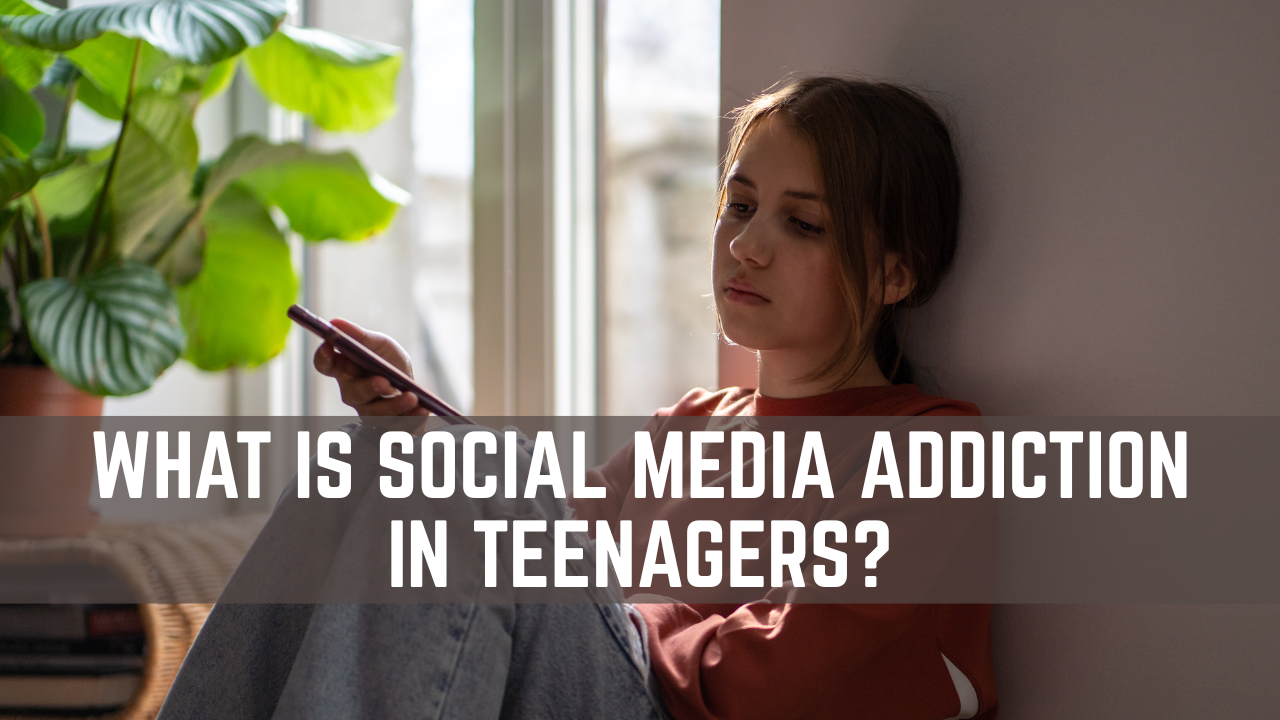
What Is Social Media Addiction in Teenagers? Social Media Addiction Signs in Teenagers Every Parent Should Know
Social Media Addiction Signs in Teenagers
Your teenager says they are just checking messages. An hour later, they are still scrolling. Homework takes longer than it should. Bedtime keeps getting pushed back. When you ask them to put the phone away, they become irritated or defensive. You begin to question whether this is normal or something more serious.
Many parents search for Social Media Addiction Signs in Teenagers because they feel confused about where healthy use ends and harmful behavior begins. Social media is part of modern teenage life. It helps teens connect, learn, and express themselves. However, when online activity begins to control mood, sleep, relationships, and school performance, it may point to a deeper issue.
Understanding the signs early can protect your child’s emotional health and future success. This guide will explain what social media addiction is, why teens are vulnerable, how it connects to depression, anxiety, ADHD, and obsessive compulsive disorder, and what steps you can take to help.
What Is Social Media Addiction in Teenagers?
Social media addiction in teenagers is a pattern of compulsive online behavior that continues even when it causes problems. It is not simply about spending many hours online. It is about losing control over that time.
Clear Definition of Social Media Addiction
Social media addiction is a behavioral condition where a teen feels a strong urge to check, scroll, post, or respond on social platforms despite negative consequences. These consequences may include poor grades, lack of sleep, mood changes, or family conflict.
For example, a teen may promise to study for an hour but repeatedly check notifications every few minutes. What begins as a short break turns into a long distraction. Over time, this pattern becomes difficult to stop.
Healthy Use Versus Addictive Use
Healthy use allows balance. A teen can enjoy social media, complete responsibilities, and disconnect without distress.
Addictive use looks different. A teen may:
Feel anxious when separated from their phone
Ignore important tasks
Argue frequently about screen time
Hide or lie about usage
The key difference is control. In addiction, the behavior feels necessary rather than optional.
Why Teens Are More Vulnerable to Digital Addiction
Teenagers face unique developmental challenges that make them more susceptible to social media addiction.
Brain Development and Reward Sensitivity
The teenage brain is still developing, especially areas related to impulse control and decision making. At the same time, the reward system is highly active. Social media platforms are designed to provide instant feedback through likes, comments, and notifications.
Each notification triggers a small burst of pleasure. This creates a cycle where teens repeatedly check their phones for another reward. Because self control skills are still forming, resisting this cycle can be difficult.
The Desire for Belonging
Adolescence is a time when peer approval feels extremely important. Social media provides visible measures of popularity such as follower counts and reactions.
For instance, a teen who receives many likes may feel accepted and valued. A post that receives little attention may trigger embarrassment or self doubt. This emotional dependence increases vulnerability to addictive behavior.
Early Social Media Addiction Signs in Teenagers
Recognizing early warning signs allows parents to act before problems grow.
Increasing Screen Time
One of the first Social Media Addiction Signs in Teenagers is steadily increasing time online. Your teen may start spending more hours scrolling, often at the expense of homework or family time.
Difficulty Stopping
Your teen may say they will log off soon but continue using social media for much longer. Attempts to reduce screen time may repeatedly fail.
Constant Preoccupation
Even when offline, your teen may seem distracted, thinking about posts, comments, or upcoming online interactions.
Reduced Interest in Other Activities
Activities that once brought joy such as sports, music, or hobbies may slowly be replaced by screen time.
These early signs are subtle but meaningful.
Emotional and Behavioral Red Flags Parents Should Watch
As addiction develops, emotional and behavioral changes become more noticeable.
Mood Swings and Irritability
Your teen may become irritable when asked to put the phone away. Small disagreements about screen time may turn into major arguments.
Anxiety and Restlessness
Teens may feel uneasy without their devices. They might check their phone repeatedly even when no notifications appear.
Sleep Disruption
Late night scrolling often leads to chronic sleep deprivation. Poor sleep can increase anxiety, depression, and difficulty concentrating.
Social Withdrawal
Ironically, excessive social media use can reduce real life interaction. Your teen may avoid in person gatherings and prefer online communication.
These red flags should not be dismissed as typical teenage moodiness if they persist.
How Social Media Addiction Signs in Teenagers Connect to Depression, Anxiety, ADHD, and OCD
Social media addiction often overlaps with other mental health conditions.
Depression
Teens with depression may use social media as an escape from negative feelings. However, constant comparison to idealized images can worsen sadness and low self esteem.
For example, seeing peers post about achievements or vacations may reinforce feelings of inadequacy.
Anxiety
Social media can increase anxiety through fear of missing out, pressure to respond quickly, and online conflicts. Teens may worry excessively about how others perceive them.
ADHD
Teens with ADHD may be especially drawn to fast moving digital content. The constant stimulation can make it harder to focus on schoolwork and daily tasks.
Obsessive Compulsive Disorder
For teens with obsessive tendencies, repeated checking of messages or profiles may reduce anxiety temporarily but strengthen compulsive patterns over time.
When these conditions exist together, professional evaluation becomes essential.
The Difference Between Normal Teen Use and Social Media Addiction Signs in Teenagers
It is important not to label all heavy use as addiction.
Normal Use
Can log off without extreme distress
Maintains stable grades
Sleeps adequately
Enjoys offline relationships
Addictive Use
Strong emotional reactions when access is limited
Academic decline
Persistent family conflict
Inability to reduce use despite consequences
Think of social media like dessert. Enjoying it occasionally is normal. Consuming it excessively despite health problems signals a deeper issue.
Long Term Risks of Ignoring Social Media Addiction Signs in Teenagers
Ignoring warning signs can lead to serious consequences.
Academic Struggles
Poor focus and procrastination can result in declining grades and lost opportunities.
Worsening Mental Health
Untreated addiction can intensify depression, anxiety, and low self worth.
Relationship Strain
Constant arguments about screen time can damage trust between parents and teens.
Reduced Life Skills
Excessive digital reliance may limit development of communication, time management, and problem solving skills. Early intervention can prevent these long term effects.
Practical Steps Parents Can Take to Address Social Media Addiction Signs in Teenagers
Parents play a vital role in guiding healthy habits.
Start With Calm Conversations
Approach your teen with curiosity rather than criticism. Ask questions like, “How does being online make you feel afterward?” Listening without judgment builds trust.
Establish Clear Digital Boundaries
Create consistent household rules such as:
No phones during meals
Devices charged outside bedrooms at night
Agreed upon daily screen limits
Involve your teen in creating these rules to increase cooperation.
Encourage Offline Engagement
Support participation in sports, clubs, volunteering, or part time jobs. Real world achievements build confidence and reduce dependence on online validation.
Model Healthy Behavior
Children observe adult habits closely. Demonstrating balanced screen use reinforces expectations.
Evidence Based Treatment Options for Social Media Addiction Signs in Teenagers Including Cognitive Behavioral Therapy
When home strategies are not enough, professional support can provide structure and relief.
Cognitive Behavioral Therapy
Cognitive behavioral therapy helps teens identify thoughts that drive compulsive use. For example, a teen may believe they must respond immediately to maintain friendships. Therapy challenges this belief and teaches healthier coping skills.
Family Therapy
Family sessions improve communication and create consistent digital boundaries.
Treatment for Co Occurring Conditions
If depression, anxiety, ADHD, or obsessive compulsive disorder are present, treating these conditions often reduces excessive social media use. Medication management may be recommended when clinically appropriate and combined with therapy.
When to Seek Professional Help for Social Media Addiction Signs in Teenagers
Consider seeking professional help if your teen shows:
Persistent sadness or anxiety
Severe sleep problems
Significant academic decline
Social isolation
Thoughts of self harm
Early support increases the likelihood of positive outcomes and long term recovery.
Frequently Asked Questions About Social Media Addiction Signs in Teenagers
How many hours of social media are too much?
There is no fixed number. The key question is whether social media interferes with sleep, school, mood, or relationships.
Can taking away the phone solve the problem?
Removing access may reduce symptoms temporarily. Long term improvement requires emotional support and skill building.
Are certain teens more vulnerable?
Yes. Teens with anxiety, depression, ADHD, low self esteem, or social challenges may be at higher risk.
Is recovery possible?
Yes. With guidance, boundaries, and professional treatment when needed, teens can regain balance.
Professional Treatment for Social Media Addiction Signs in Teenagers at Evolve Psychiatry
If you recognize Social Media Addiction Signs in Teenagers in your child, compassionate and evidence based care is available.
Evolve Psychiatry offers in person care at six clinics across New York and North Carolina:
• Evolve Psychiatry, Massapequa, New York
• Evolve Psychiatry, Syosset, New York
• Evolve Psychiatry, Albany, New York
• Evolve Psychiatry, Garden City, New York
• Evolve Psychiatry, Hauppauge, New York
• Evolve Psychiatry, Wilmington, North Carolina
Our experienced clinicians provide comprehensive evaluations for social media addiction and related conditions such as depression, anxiety, ADHD, and obsessive compulsive disorder. We create personalized treatment plans that may include therapy, medication management when appropriate, and family guidance.
If warning signs persist despite your efforts at home, seeking professional help is a proactive step toward protecting your teen’s mental health. Early intervention can restore balance, improve focus, and strengthen family relationships.
You do not have to manage this alone. Professional support can help your teen build healthier habits and a stronger foundation for the future.
