
What to Expect in Your First Couples Therapy Session
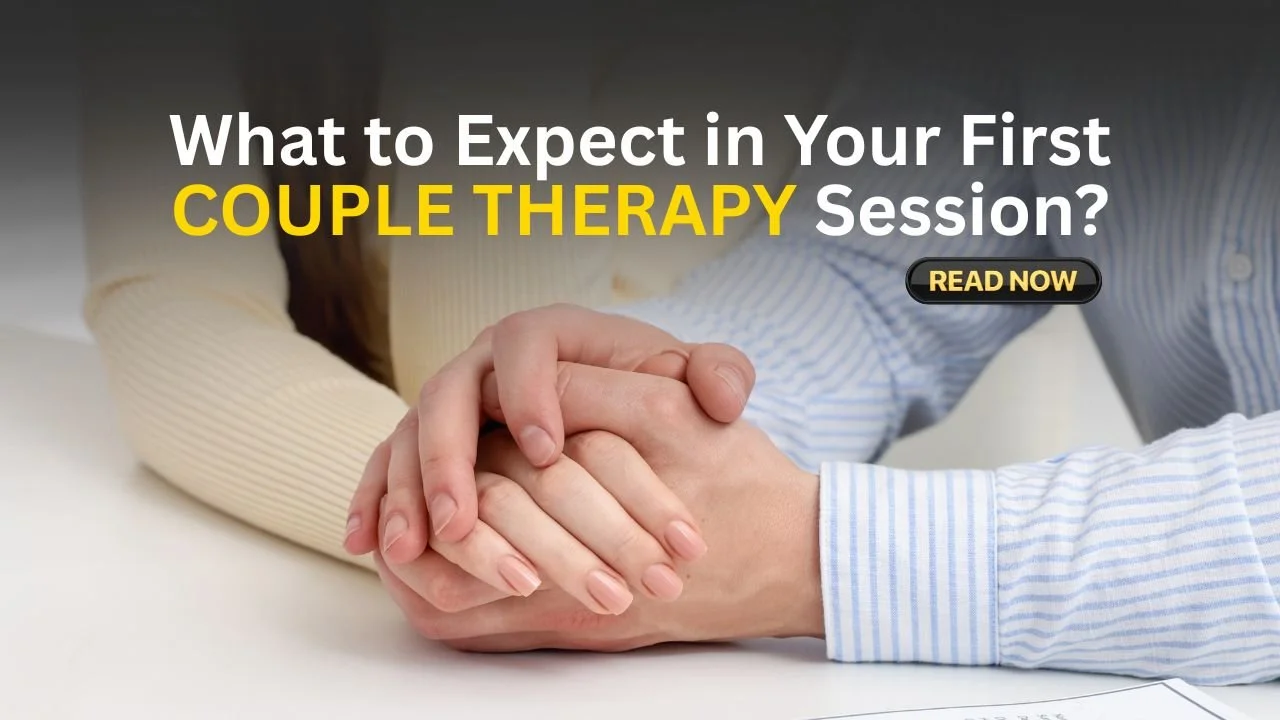
Nervous About Your First Couples Therapy Session? Here’s What You Can Expect
Starting couples therapy is a big decision. You might feel hopeful, anxious, or unsure about what’s coming next. One or both of you may be nervous about opening up to a stranger. That’s completely normal. For many couples, the first therapy session is unfamiliar territory—but it’s also the first step toward a stronger, more connected relationship.
This guide will walk you through what actually happens in your first couples therapy session. By the end, you’ll feel more prepared, less anxious, and ready to make the most of your time in the room.
Why the First Session Feels So Important
The first couples therapy session is more than just a meet-and-greet. It sets the stage for how therapy will go. It helps both of you decide if this therapist feels like a good match. Most importantly, it opens the door to honest conversations that may have been too difficult to start on your own.
This first meeting also allows your therapist to understand what brings you in and what goals you hope to achieve. It’s a time for both partners to speak, listen, and begin to build trust in the process.
Many couples worry that therapy will feel like a courtroom where one person gets blamed. A skilled therapist, however, works hard to stay neutral and create balance. The focus is not on choosing sides but on helping both of you feel understood.
Preparing for Couples Therapy Without Pressure
You don’t have to show up with perfect answers or a clear game plan. Preparing for couples therapy is more about mindset than memorizing what to say.
Here are a few gentle ways to prepare:
Reflect on what you want to work on. Each person may have different reasons for coming to therapy. That’s okay. Take a few minutes to think about what matters most to you.
Be honest with yourself. You might feel defensive, nervous, or afraid of being vulnerable. Acknowledging those feelings ahead of time makes it easier to share them later.
Talk with your partner. If possible, have a brief conversation about why you’re starting therapy. This helps you enter the session as a team, even if you have different views.
Set a calm tone. Plan ahead so you can arrive without rushing. Give yourselves time before and after the session to breathe and talk.
Remember, there’s no test to pass. Simply showing up and being open to the experience is enough.
What Actually Happens in the First Couples Therapy Session
The first session is often about understanding your story, your challenges, and your goals. It’s not about solving everything on day one.
Here’s a typical flow:
1. Introduction and Ground Rules
The therapist will explain how sessions work, including confidentiality, session length, and how they keep things balanced between both partners.
2. Sharing the Backstory
Each person may be invited to share a little about the relationship: how you met, what brought you closer, and what’s been difficult lately. You might take turns or speak freely—it depends on the therapist’s style.
3. Exploring the Current Problem
You’ll discuss what’s happening now that led you to seek help. Maybe you’re arguing more, feeling distant, or trying to recover from a breach of trust. The therapist listens to both perspectives without judgment.
4. Identifying Goals
You’ll talk about what you hope to get out of therapy. Goals can include better communication, rebuilding trust, improving intimacy, or making a tough decision together.
5. Planning Next Steps
The therapist may summarize what they heard, suggest a plan for future sessions, and answer any questions you have. Some therapists offer a short takeaway or small task to try before your next visit.
The most important part of the first session is that both people feel heard and respected. Even if you don’t agree on every detail, you should feel like your voice matters.
Questions a Therapist Might Ask You
Knowing what to expect can ease first-session nerves. Here are some common questions you might hear:
What brought you to couples therapy?
What’s working in your relationship?
What’s not working?
How do you usually handle conflict?
What does support look like to you?
How would you like things to be different?
You’re not expected to have perfect answers. Honest, simple responses are best. The therapist is there to guide—not judge—you.
How the Therapist Sets the Tone
A good therapist works to create a safe and welcoming space. They’ll be neutral, calm, and respectful of both partners. Their job is not to fix you, but to help you find new ways of understanding and relating to each other.
During your first couples therapy session, the therapist pays close attention to how you communicate. They might notice how you interrupt each other, who shuts down, or where tension builds. These insights help shape how they support you in future sessions.
It’s also okay to feel emotional. Crying, going quiet, or even laughing nervously are all valid ways of processing something new and vulnerable.
Counselling Session Tips to Get the Most Out of It
You can’t control every part of the therapy experience, but these tips can help you get the most from your sessions:
Speak your truth, kindly. Honesty is helpful, especially when delivered with care.
Listen fully. Give your partner space to speak without planning your next response.
Be open to new perspectives. Therapy might show you things you hadn’t considered.
Don’t rush solutions. The first few sessions are about understanding—not fixing everything at once.
These tips aren’t rules. They’re gentle ways to help therapy feel like a safe space for growth.
What Happens After the First Session
After your first session, it’s common to feel a mix of emotions. Some couples leave feeling relieved or hopeful. Others might feel a little tired or exposed. That’s all normal.
Here’s what to expect next:
Therapy schedule: Most couples meet weekly at first. Your therapist will suggest a rhythm that works for your goals.
Homework (optional): Some therapists give small exercises—like practicing a new way of talking or doing a shared activity.
Ongoing exploration: Each session builds on the last. Some weeks will feel light; others may feel heavy. That’s part of the process.
As therapy continues, you’ll start to notice patterns, learn new skills, and deepen your understanding of each other. Over time, many couples report better communication, stronger trust, and more emotional closeness.
Get Support at Evolve Psychiatry
If you’re ready to take the first step in couples therapy, Evolve Psychiatry is here to help. Our therapists are trained to guide you through that first session and every one that follows. We understand how difficult it can be to open up about your relationship—and how powerful it is when you do.
Evolve Psychiatry offers in person care at six clinics across New York and North Carolina:
We help couples feel safe, supported, and heard. Whether it’s your first couples therapy session or your first time speaking openly in a long while, we’re ready to meet you where you are. Reach out today to get started.
