
A Parent’s Guide to Teen Therapy and Medication: What Happens During Treatment
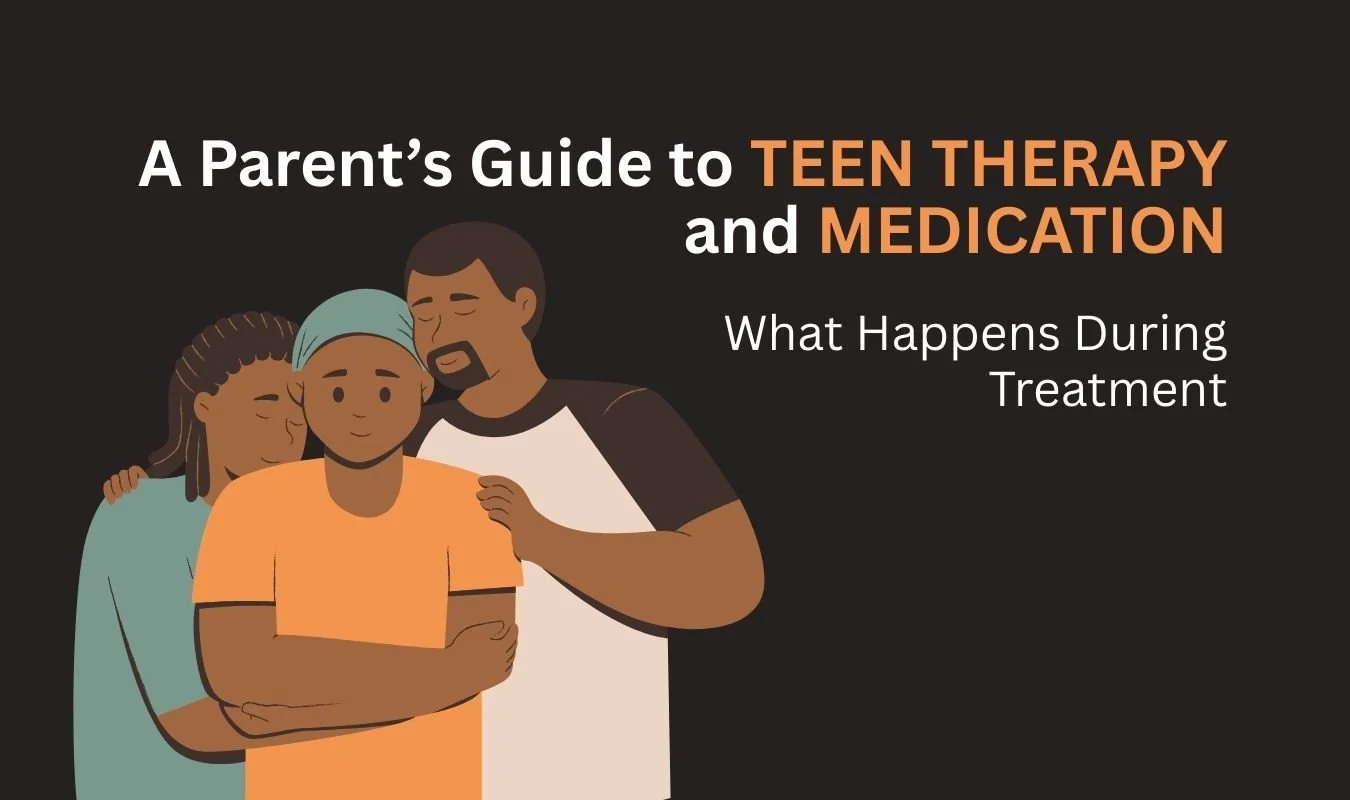
Psychiatrist for Teens Near You Introduction: What Parents Really Want to Know About Teen Treatment
Many parents feel anxious when they hear the words therapy or medication for their teen. Questions rush in. Will therapy change my child? Is medication safe? How long will treatment last? What happens behind closed doors during sessions?
These concerns are normal. Parenting a teenager is already challenging. When mental health enters the picture, fear and confusion can grow quickly. Many parents delay seeking help because they do not understand the process.
Working with a psychiatrist for teens near you does not mean your child is broken. It means your child needs support during a sensitive stage of growth. Understanding how therapy and medication work helps parents feel calmer and more confident.
This guide explains the treatment process step by step. It shows what parents and teens can expect from therapy, when medication is considered, and how psychiatrists create safe and personalized care plans.
Psychiatrist for Teens Near You and Teen Mental Health Treatment Explained Simply
Teen mental health treatment focuses on understanding emotions, behavior, and development. It is not about punishment or control. It is about support and growth.
What Teen Therapy Is and What It Is Not
Teen therapy is a structured conversation between a teen and a trained professional. It helps teens talk about feelings, stress, and challenges in a safe space.
Therapy is not about blaming parents or forcing teens to talk. It is not about fixing behavior overnight. It is about learning skills, building awareness, and reducing emotional pain.
For example, a teen with anxiety may learn how to manage worry. A teen with depression may learn how to express emotions safely.
Why Therapy Looks Different for Teens Than for Adults
Teens are still developing emotionally and mentally. Therapy for teens uses age appropriate language and methods. Sessions may include activities, guided discussions, or skill building exercises.
A psychiatrist for teens near you understands how teenage brains work. They adapt therapy to match attention span, emotional maturity, and comfort level.
This approach helps teens feel understood instead of judged.
The Role of Trust and Comfort in Teen Therapy
Trust is essential for progress. Teens need to feel safe before opening up. Building trust takes time.
A good therapist listens patiently. They respect teen privacy while keeping parents appropriately involved. This balance allows teens to feel supported without feeling controlled.
Psychiatrist for Teens Near You: What Happens During the First Psychiatric Evaluation
The first evaluation often brings the most anxiety for parents. Knowing what happens helps ease fear.
The psychiatrist meets with the teen and parents. They ask questions about mood, behavior, school, friendships, sleep, and stress. They listen carefully to everyone.
The goal is understanding. Not labeling. Not judgment.
The psychiatrist may meet with the teen alone for part of the session. This allows honest communication. Parents are then included again to discuss next steps.
A psychiatrist for teens near you looks at the full picture. Emotional health. Family environment. Academic pressure. Social challenges.
Psychiatrist for Teens Near You: How Therapy Works During Ongoing Treatment
After evaluation, therapy becomes a regular part of care for many teens.
Common Therapy Approaches Used for Teens
Therapy approaches depend on the teen’s needs. Some sessions focus on managing anxiety. Others focus on mood regulation, attention, or behavior.
Teens may learn how thoughts influence emotions. They may practice calming techniques. They may learn how to handle stress or communicate better.
Sessions are paced slowly to avoid overwhelm.
How Teens Learn Coping and Emotional Regulation Skills
Coping skills help teens manage strong emotions. These skills include recognizing emotional triggers, calming the body, and responding thoughtfully.
For example, a teen who feels overwhelmed before exams may learn breathing techniques. A teen who reacts with anger may learn how to pause and express feelings safely.
These skills support emotional independence.
What Progress in Teen Therapy Usually Looks Like
Progress is gradual. Parents may notice small changes first. Improved communication. Better sleep. Reduced emotional outbursts.
Teens may feel more confident talking about feelings. They may manage stress more effectively.
Progress does not mean perfection. Setbacks happen. A psychiatrist for teens near you helps guide families through ups and downs.
Psychiatrist for Teens Near You: When Medication Becomes Part of Teen Treatment
Medication is not always needed. When it is recommended, it is done carefully.
Situations Where Medication May Be Recommended
Medication may be considered when symptoms are moderate to severe. This includes intense anxiety, ongoing depression, attention difficulties, or mood instability that interferes with daily life.
Medication supports brain chemistry. It helps reduce symptom intensity so therapy becomes more effective.
Addressing Parent Fears About Psychiatric Medication
Many parents fear side effects or personality changes. These fears are understandable.
A psychiatrist for teens near you explains benefits and risks clearly. Medication is started at the lowest effective dose. Progress is monitored closely.
The goal is stability. Not sedation. Not loss of personality.
How Medication Supports Therapy, Not Replaces It
Medication works best when combined with therapy. Medication helps regulate symptoms. Therapy builds skills and insight.
Together, they create a balanced approach. Medication does not replace emotional growth. It supports it.
Psychiatrist for Teens Near You: How Psychiatrists Personalize Treatment Plans
No two teens are the same. Treatment must reflect individual needs.
Psychiatrists personalize plans based on symptoms, personality, family environment, and school demands. Plans evolve over time.
Medication may be adjusted. Therapy focus may shift. The psychiatrist monitors emotional growth, side effects, and progress.
This flexibility ensures safe and effective care.
Psychiatrist for Teens Near You: The Parent’s Role During Teen Treatment
Parents play a vital role in recovery.
Staying Supportive Without Overstepping
Support means listening without constant pressure. Teens need space to process emotions.
Avoid interrogating after sessions. Let your teen share at their own pace. Show interest without demanding details.
Communicating With Your Teen About Treatment
Use calm language. Normalize mental health care. Avoid labeling or criticism.
For example, say “This is support” instead of “This is because something is wrong.”
Working Collaboratively With the Psychiatrist
Stay involved through scheduled updates. Ask questions. Share observations respectfully.
A psychiatrist for teens near you values parent insight while protecting teen trust.
Psychiatrist for Teens Near You: What Parents Can Expect Over Time
Treatment length varies. Some teens need short term support. Others benefit from longer care.
Improvement often appears gradually. Parents may notice better mood, improved sleep, stronger communication, or increased motivation.
Setbacks may occur during stress or life changes. This is normal. Ongoing guidance helps teens stay stable.
Psychiatrist for Teens Near You Conclusion: Understanding Treatment Helps Parents Support Healing
Teen therapy and medication can feel overwhelming at first. Understanding the process changes everything.
Working with a psychiatrist for teens near you provides structure, safety, and clarity. It supports emotional growth during a critical stage of life.
Your role as a parent matters. Your support matters. With the right care, teens can build resilience, confidence, and emotional balance.
Seeking help is not a failure. It is a powerful step toward healing and long term wellbeing.
