
Teen Anxiety and Depression Explained: When Professional Help Becomes Essential
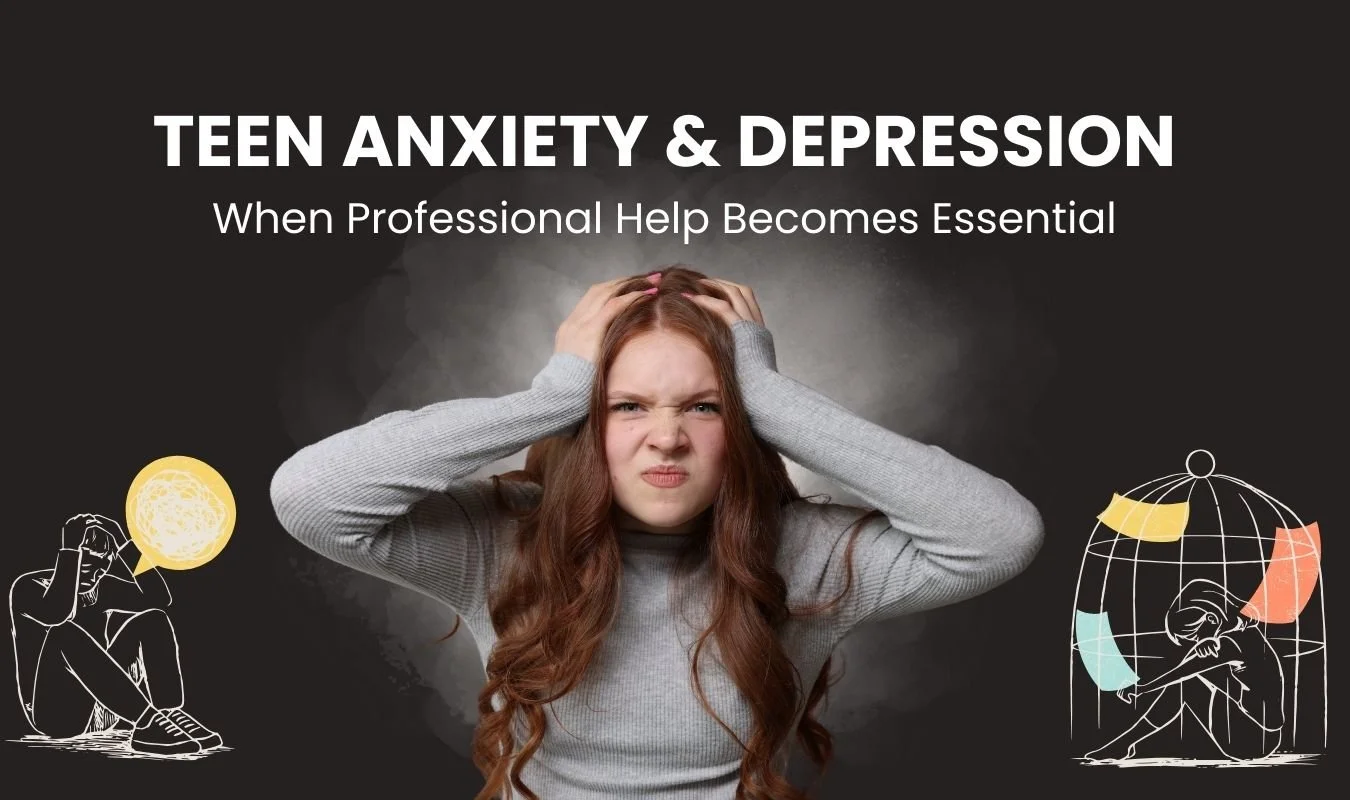
Psychiatrist for Teens Near You Introduction: Why Teen Anxiety and Depression Can No Longer Be Ignored
Many parents notice changes in their teen and feel unsure what they mean. Their child may seem quieter, more worried, or emotionally distant. School stress may feel heavier. Small problems may trigger big reactions. Parents often wonder if this is normal teenage behavior or a sign of something deeper.
Teen anxiety and depression are more common than many families realize. These conditions do not always look dramatic. They often appear slowly and quietly. Teens may hide their feelings or struggle to explain what they are experiencing.
Ignoring these signs can allow symptoms to grow stronger. Early understanding helps parents take the right steps at the right time. Seeking a psychiatrist for teens near you is not about labeling your child. It is about offering support during a critical stage of emotional development.
This guide explains teen anxiety and depression in simple terms. It helps parents recognize warning signs and understand when professional help becomes essential.
Psychiatrist for Teens Near You and Teen Anxiety Explained in Simple Terms
Anxiety is the body’s response to stress or fear. In teens, anxiety can feel overwhelming because their brains are still developing. While some worry is normal, ongoing anxiety can interfere with daily life.
What Anxiety Looks Like in Teens Beyond Normal Stress
Normal stress comes and goes. It appears before exams, sports events, or social situations. Teen anxiety feels different. It lingers even when there is no clear reason.
Teens with anxiety may worry constantly. They may expect the worst outcome. They may fear failure, judgment, or embarrassment. These worries can feel uncontrollable.
Anxiety may also show as avoidance. Teens may avoid school, social events, or responsibilities. They may say they feel sick to escape stressful situations.
Physical, Emotional, and Behavioral Signs of Teen Anxiety
Anxiety affects both the mind and body. Physical signs may include headaches, stomach pain, rapid heartbeat, or muscle tension. These symptoms feel real and can be distressing.
Emotional signs include fear, irritability, and restlessness. Teens may feel on edge most of the time. They may struggle to relax or enjoy activities.
Behavioral signs include avoidance, frequent reassurance seeking, or perfectionism. Teens may overprepare or give up quickly when tasks feel too hard.
How Anxiety Affects School, Friendships, and Family Life
Anxiety can disrupt school performance. Teens may struggle to concentrate or participate in class. Tests may feel terrifying even when they are prepared.
Friendships may suffer. Teens may withdraw or feel misunderstood. Family relationships may become tense as anxiety fuels frustration and emotional outbursts.
A psychiatrist for teens near you can help determine whether anxiety has reached a level that requires professional care.
Psychiatrist for Teens Near You and Teen Depression Explained Clearly for Parents
Depression in teens is not the same as feeling sad for a few days. It is deeper and lasts longer. It affects mood, energy, and motivation.
How Teen Depression Differs from Temporary Sadness
Sadness is a normal emotion. Depression is a condition that changes how teens feel about themselves and the world.
Teen depression often includes a sense of emptiness or numbness. Teens may feel hopeless or disconnected. They may struggle to see a positive future.
These feelings last for weeks or months and do not improve with rest or reassurance.
Emotional and Behavioral Symptoms of Teen Depression
Emotional symptoms include sadness, irritability, and low self esteem. Teens may feel worthless or guilty without clear reason.
Behavioral symptoms include withdrawal from friends, loss of interest in hobbies, and reduced communication. Teens may spend long hours alone and avoid family time.
Some teens become more irritable rather than sad. Anger can be a sign of depression in adolescents.
Loss of Motivation, Energy, and Self Worth in Depressed Teens
Depression drains energy. Teens may feel tired all the time. Getting out of bed may feel difficult. Schoolwork may feel overwhelming.
Motivation drops. Activities that once brought joy no longer matter. Teens may describe feeling empty or stuck.
These changes often confuse parents. A psychiatrist for teens near you can help clarify whether depression is present and what support is needed.
Psychiatrist for Teens Near You: Why Anxiety and Depression Often Occur Together in Teens
Anxiety and depression often appear together. Anxiety can exhaust the mind over time. Constant worry drains emotional energy. This can lead to sadness and hopelessness.
Depression can also increase anxiety. Teens may worry about their low mood, school performance, or social life. This creates a cycle that is hard to break without support.
When both conditions are present, symptoms can feel intense. Emotional overwhelm increases. Daily functioning becomes harder.
Professional evaluation helps identify overlapping conditions and guide appropriate treatment.
Psychiatrist for Teens Near You: When Normal Teen Emotions Become a Mental Health Concern
Teen emotions are intense by nature. The challenge for parents is knowing when emotions cross into concern.
Key factors include duration, intensity, and impact. If symptoms last longer than a few weeks, grow stronger, or disrupt daily life, professional help may be needed.
Warning signs include persistent sadness, constant worry, withdrawal, declining grades, sleep changes, and loss of interest in activities.
Trusting your instincts matters. Parents often sense when something is not right.
Psychiatrist for Teens Near You: When Professional Help Becomes Essential
Some signs indicate that professional support is essential rather than optional.
Red Flags That Signal the Need for a Psychiatrist for Teens Near You
Red flags include severe anxiety, ongoing depression, panic attacks, school refusal, emotional shutdown, or drastic behavior changes.
Talk of hopelessness or self harm requires immediate professional attention.
If your teen seems unable to cope with daily life, seeking a psychiatrist for teens near you can provide guidance and relief.
Risks of Delaying Psychiatric Support
Delaying care can allow symptoms to worsen. Anxiety and depression can affect brain development, academic progress, and self confidence.
Teens may develop unhealthy coping habits. Relationships may suffer. Early intervention helps prevent long term challenges.
How Early Intervention Changes Long Term Outcomes
Early support teaches teens coping skills. It helps them understand emotions and manage stress. It supports healthy development during a critical stage of life.
Professional care can reduce symptoms and restore balance.
Psychiatrist for Teens Near You: How a Psychiatrist Evaluates Teen Anxiety and Depression
Evaluation is a thoughtful process. It is not rushed. The psychiatrist listens carefully to the teen and the parents.
They ask about emotions, behavior, school, friendships, and family dynamics. They explore when symptoms began and how they have changed.
The goal is understanding, not judgment. A psychiatrist for teens near you helps identify the root cause of distress.
Psychiatrist for Teens Near You: Treatment Options That Support Teen Mental Health
Treatment is personalized. Every teen is different.
Therapy Approaches Commonly Used for Teens
Therapy helps teens understand thoughts and emotions. It teaches coping skills and problem solving. Therapy provides a safe space to express feelings.
Many teens benefit from learning how to manage anxiety and negative thinking patterns.
When Medication May Be Recommended
Medication may be recommended when symptoms are moderate to severe. The decision is careful and individualized.
A psychiatrist explains benefits and concerns clearly. Parents are involved in the process. Medication is used to support emotional balance, not replace therapy.
Supporting Teens With Lifestyle and Emotional Skills
Treatment often includes lifestyle guidance. Sleep routines, balanced schedules, and stress management play an important role.
Teens learn skills that support long term emotional health.
Psychiatrist for Teens Near You: How Parents Can Support Teens Alongside Professional Care
Parents play a key role in recovery.
Creating a safe space for communication helps teens feel understood. Listening without judgment builds trust.
Reducing stigma matters. Mental health care is a form of strength, not weakness.
Consistency at home supports progress. Small changes can make a big difference.
Psychiatrist for Teens Near You Conclusion: Early Support Can Protect Your Teen’s Emotional Future
Teen anxiety and depression are real and treatable. Recognizing the signs early helps protect your teen’s emotional health.
Seeking a psychiatrist for teens near you provides clarity, guidance, and support during a challenging time.
Early care builds resilience. It helps teens grow into emotionally healthy adults.
If you are concerned, trust your instincts. Support today can change your teen’s future for the better.
