
Social Media and Teen Sleep Problems: What Parents Need to Know
Why So Many Teens Stay Up Late on Social Media and What It Means for Their Sleep
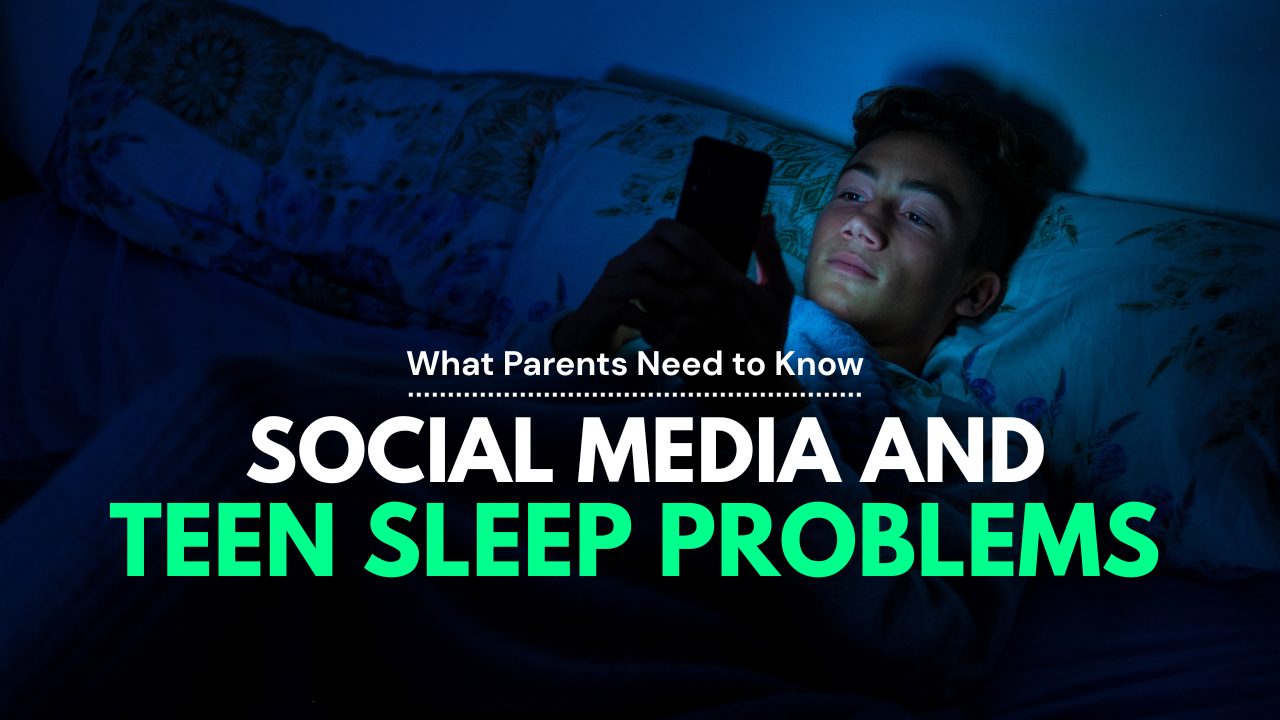
Many parents have experienced the same situation late at night. A teenager says they are going to sleep, but the light from their phone continues to glow under the blanket. A few minutes of scrolling turns into an hour. The next morning, waking up for school becomes a struggle. This pattern is becoming very common in modern families.
Social media and teen sleep problems are closely connected. Teenagers often stay awake longer than they should because they are watching videos, chatting with friends, or scrolling through posts. While it may seem harmless at first, this habit can slowly disrupt sleep patterns, mood, and concentration.
Sleep plays a critical role in a teenager’s mental and emotional health. When social media starts interfering with sleep, it can affect learning, behavior, and emotional stability. Understanding how social media affects teen sleep can help parents recognize warning signs and guide their children toward healthier habits.
Why Sleep Is Critical for Teen Brain Development
Sleep is not simply a time when the body rests. It is an active process that supports brain development, emotional balance, and physical health.
How the Teenage Brain Develops During Adolescence
During the teenage years, the brain is still growing and reorganizing. Important areas that control decision making, impulse control, and emotional regulation continue developing through adolescence. Sleep supports this development. When teens sleep well, their brains process information, store memories, and strengthen important neural connections.
For example, a teenager who studies for an exam and then gets enough sleep is more likely to remember what they learned. Without proper sleep, the brain struggles to store new information.
Why Teens Actually Need More Sleep Than Adults
Many people believe teenagers should sleep about the same amount as adults. In reality, teenagers often need more rest. Most teens require about eight to ten hours of sleep each night to function well. However, many teenagers sleep far less because of late night screen use. This difference between needed sleep and actual sleep can lead to chronic tiredness.
What Happens in the Brain During Healthy Sleep
Healthy sleep occurs in cycles. During these cycles, the brain repairs cells, organizes memories, and regulates emotions. If sleep is shortened or interrupted, these processes are affected. Over time, poor sleep can influence attention, mood, and mental health.
How Social Media Habits Are Changing Teen Sleep Patterns
The rise of smartphones has changed how teenagers spend their evenings. Many teens bring their phones into their bedrooms and continue using them late into the night.
The Rise of Nighttime Screen Use Among Teenagers
Phones allow teenagers to stay connected with friends at any time. Messages, notifications, and new content appear constantly. Because of this constant access, many teens check social media right before bedtime. Some continue scrolling even after they feel tired.
Why Social Media Feels Hard to Stop Before Bed
Social media platforms are designed to keep users engaged. New posts appear continuously, and notifications encourage people to check their phones repeatedly. This design makes it easy to lose track of time. A teen may open an app for a few minutes and end up staying online much longer.
How Digital Engagement Delays Bedtime
Each extra minute spent online pushes bedtime later. Over time, this habit shifts the body’s sleep schedule. For example, if a teen regularly stays awake scrolling until midnight, their body begins adjusting to a later sleep cycle. Waking up early for school then becomes more difficult.
Why Teens Stay Up Late on Social Media
Understanding why teenagers use social media late at night can help parents address the problem more effectively.
Fear of Missing Out on Social Connections
Many teenagers feel pressure to stay connected with their social group. Conversations often continue online long after school ends. Teens may worry that if they log off, they will miss jokes, discussions, or plans shared by friends.
Social Validation and Peer Interaction
Social media provides instant feedback through likes, comments, and messages. This feedback can feel rewarding. For example, when a teen posts a photo and receives many positive reactions, they may feel excited and encouraged to stay online longer.
Stress Relief and Escapism
Some teens use social media to relax after a stressful day. Watching videos or chatting with friends may help them temporarily forget about school pressure. However, when this habit continues late into the night, it can interfere with healthy sleep.
The Role of Blue Light and Brain Stimulation at Night
Technology affects sleep not only because of time spent online but also because of how screens interact with the brain.
How Blue Light Affects the Body’s Sleep Hormone
Phone screens emit blue light. This light can reduce the production of melatonin, a hormone that helps the body prepare for sleep. When melatonin levels are lower, the brain receives a signal that it is still daytime. As a result, falling asleep becomes harder.
Mental Stimulation Before Bed
Social media also keeps the brain mentally active. Videos, games, and online conversations stimulate thoughts and emotions. Instead of slowing down before sleep, the brain remains alert and engaged.
Why the Brain Struggles to Transition Into Rest
The brain needs a calm environment to transition into sleep. When teens switch directly from active scrolling to trying to sleep, the brain may struggle to relax. This can lead to longer time needed to fall asleep.
How Late Night Social Media Affects Mood, Focus, and Emotional Health
Sleep loss caused by late night phone use can influence many aspects of daily life.
Sleep Loss and Emotional Sensitivity
Teens who do not sleep enough may become more irritable or emotionally reactive. Small problems may feel larger than they really are.
Reduced Focus and Academic Performance
Lack of sleep affects concentration and memory. Students who are tired may struggle to follow lessons or complete assignments. For example, a teen who stays awake scrolling until late may feel sleepy in class and miss important information.
Impact on Daily Energy and Motivation
Sleep deprived teens often feel exhausted during the day. This fatigue can reduce motivation for schoolwork, sports, or social activities.
The Link Between Poor Sleep and Mental Health Conditions
Sleep and mental health are closely connected. When sleep patterns are disrupted, emotional well being may also be affected.
Social Media, Sleep, and Depression
Poor sleep can increase feelings of sadness and low energy. When combined with social comparison online, these feelings may become stronger.
Sleep Problems and Anxiety in Teenagers
Late night phone use can increase worry and restlessness. Notifications and messages may create pressure to stay connected.
ADHD, Sleep Disruption, and Digital Overstimulation
Teens with ADHD may already struggle with focus. Constant digital stimulation can make it harder for them to slow their thoughts before sleep.
Sleep Patterns and Obsessive Compulsive Behaviors
Some teens may develop habits of repeatedly checking notifications or messages. These patterns can reinforce compulsive behaviors.
Warning Signs That Social Media Is Affecting Your Teen’s Sleep
Parents can look for several signs that social media may be disrupting sleep.
Behavioral Signs Parents May Notice
A teen may stay awake very late or hide phone use at night. They may also resist putting their phone away before bed.
Emotional and Cognitive Signs
Mood swings, irritability, and difficulty concentrating can signal sleep problems.
Physical Signs of Sleep Deprivation
Teens who lack sleep may complain of headaches, feel tired during the day, or struggle to wake up in the morning.
Long Term Effects of Chronic Sleep Deprivation in Teenagers
When sleep problems continue for long periods, the effects can extend beyond temporary fatigue.
Impact on Brain Development and Learning
Long term sleep loss can interfere with learning and memory. Students may struggle academically if their brains do not receive enough rest.
Emotional and Mental Health Consequences
Chronic sleep deprivation may increase emotional stress and reduce resilience.
Effects on Physical Health and Daily Functioning
Sleep supports immune function, energy levels, and overall health. Without enough rest, teens may feel constantly tired.
Healthy Digital Habits That Protect Teen Sleep
Parents can help teenagers build healthier habits around technology.
Creating a Consistent Nighttime Routine
A regular sleep schedule helps the body prepare for rest. Encouraging the same bedtime each night can improve sleep quality.
Setting Phone Boundaries Before Bed
Families may decide that phones should be turned off or placed outside the bedroom before sleep.
Encouraging Relaxing Evening Activities
Reading, quiet conversations, or listening to calming music can help the brain slow down before bedtime.
Helping Teens Understand Healthy Screen Use
Teaching teens about the connection between screens and sleep can help them make better choices.
Practical Strategies Parents Can Use to Improve Teen Sleep
Small changes at home can support better sleep habits.
Starting Supportive Conversations About Social Media
Instead of criticizing phone use, parents can ask questions and show understanding.
Building Balanced Technology Rules at Home
Setting reasonable limits helps teens maintain balance between online and offline life.
Encouraging Offline Social Activities
Sports, hobbies, and in person friendships provide meaningful experiences that do not depend on digital interaction.
Frequently Asked Questions About Social Media and Teen Sleep Problems
Does Social Media Cause Sleep Problems in Teenagers
Yes, excessive social media use late at night can delay sleep and reduce sleep quality. Notifications, screen light, and engaging content all contribute to sleep disruption.
How Many Hours of Sleep Do Teenagers Need
Most teenagers need between eight and ten hours of sleep each night for healthy brain and body functioning.
Should Teens Use Phones Before Bedtime
Using phones right before bed can make falling asleep harder. Limiting phone use at least thirty to sixty minutes before bedtime can improve sleep quality.
Professional Support for Social Media and Teen Sleep Problems at Evolve Psychiatry
If social media habits begin affecting sleep, mood, or school performance, professional support may help families find effective solutions. Early guidance can prevent small problems from becoming long term challenges.
Mental health professionals can evaluate sleep habits, emotional health, and technology use. Treatment may include behavioral strategies, counseling, and guidance for building healthier digital routines.
Evolve Psychiatry offers in person care at six clinics across New York and North Carolina:
• Evolve Psychiatry, Massapequa, New York
• Evolve Psychiatry, Syosset, New York
• Evolve Psychiatry, Albany, New York
• Evolve Psychiatry, Garden City, New York
• Evolve Psychiatry, Hauppauge, New York
• Evolve Psychiatry, Wilmington, North Carolina
Our team provides compassionate care for teenagers experiencing concerns related to social media habits, sleep difficulties, depression, anxiety, ADHD, and obsessive compulsive disorder.
With the right support, teenagers can develop healthier sleep routines and a balanced relationship with technology. Early help can protect their mental health and support long term well being.
