
Why Social Media Is More Addictive for Teenage Brains? The Psychology Behind Teen Social Media Addiction
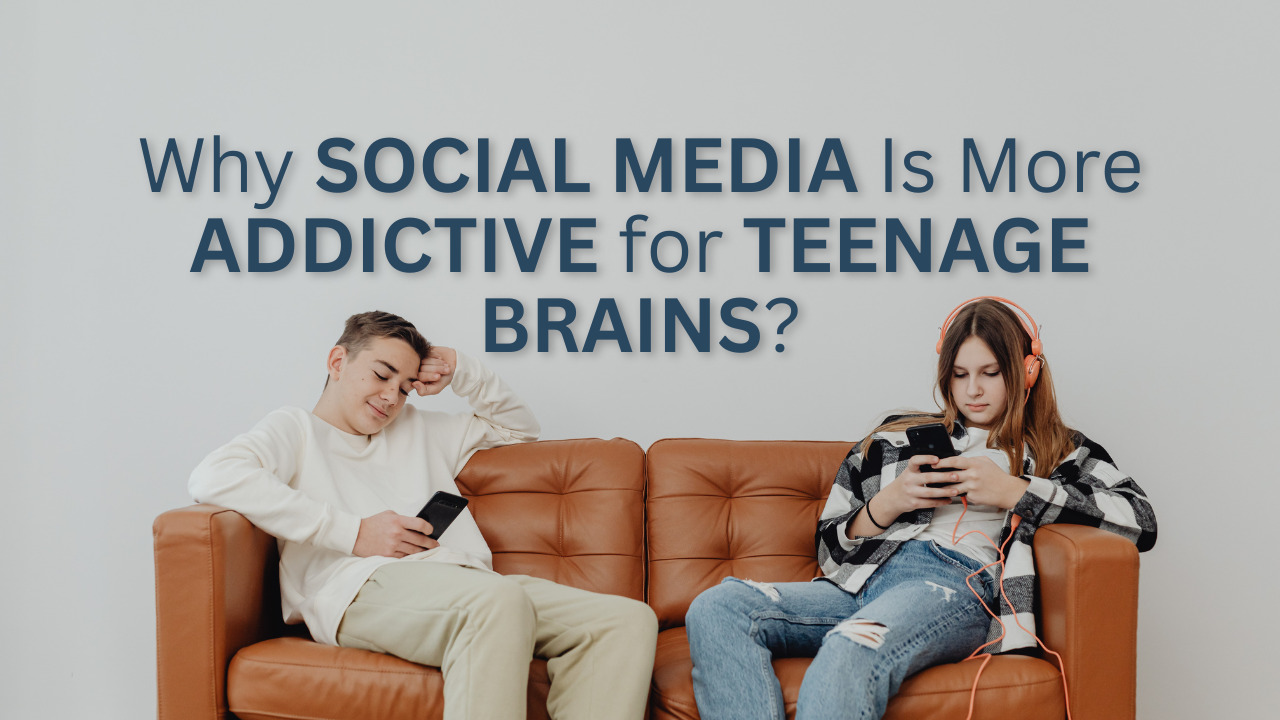
Why Social Media Is More Addictive for Teenage Brains and Why Parents Should Understand It
Many parents notice the same pattern. A teenager checks their phone quickly and plans to stop after a few minutes. Then an hour passes. Homework gets delayed. Bedtime becomes later each night. When asked to put the phone down, the reaction may be frustration or anxiety. Parents often wonder why social media seems so powerful for teens.
The answer lies in how teenage brains work. The teenage brain is still developing, especially the areas responsible for self control, planning, and emotional regulation. At the same time, the brain’s reward system is highly sensitive. Social media platforms trigger this reward system through likes, comments, and notifications. This combination makes social media particularly appealing and sometimes addictive for teenagers.
Understanding the psychology behind teen social media addiction can help parents recognize warning signs early. It also helps families guide teenagers toward healthier digital habits while protecting their mental health.
What Is Teen Social Media Addiction
Teen social media addiction refers to a pattern of excessive and compulsive social media use that interferes with daily life. It goes beyond simply enjoying online content.
Clear Definition of Social Media Addiction in Teenagers
Social media addiction occurs when a teen feels a strong urge to check social platforms repeatedly, even when it causes problems in school, sleep, or relationships. The teen may plan to spend a short amount of time online but end up scrolling much longer than intended.
For example, a student might open an app for a quick break while studying. Instead of returning to homework, they continue watching videos or checking notifications. This behavior becomes difficult to control over time.
How Social Media Addiction Develops in Teens
Addiction usually develops slowly. At first, social media feels entertaining and harmless. As teens receive positive reactions from others, they begin to rely on these interactions for emotional satisfaction. Gradually, they start checking apps more often and may feel uncomfortable when they cannot access them.
Difference Between Frequent Use and Addiction
Not every teen who spends several hours online is addicted. Addiction involves negative consequences such as declining grades, sleep problems, or mood changes. The key issue is loss of control.
Why Teenage Brains Are Still Developing and More Vulnerable to Addiction
Teenagers experience rapid brain development during adolescence. This development makes them curious and motivated to explore the world. However, it also increases vulnerability to addictive behaviors.
Brain Development During Adolescence
The prefrontal cortex is the part of the brain responsible for decision making, impulse control, and long term planning. This area continues developing into early adulthood. Because it is still maturing during the teenage years, teens may struggle more with resisting temptations.
Increased Sensitivity to Rewards
At the same time, another part of the brain that processes rewards is highly active. This means teens feel stronger excitement and pleasure from rewarding experiences.
When social media provides instant feedback through likes or messages, the brain responds quickly and strongly. This can encourage repeated behavior.
The Search for Identity and Belonging
Teenagers are also working to develop their sense of identity. They want to understand who they are and how they fit into their social groups. Social media offers a platform where teens can experiment with self expression and receive feedback from peers.
While this process can support growth, it can also increase dependence on digital approval.
The Role of Dopamine and Reward Systems in Social Media Use
To understand why social media feels addictive, it helps to look at how the brain’s reward system functions.
What Is Dopamine and Why It Matters
Dopamine is a chemical messenger in the brain that is released during pleasurable experiences. It motivates people to repeat behaviors that bring enjoyment or satisfaction.
For example, eating favorite foods or receiving praise can trigger dopamine release. Social media interactions can produce similar responses.
How Social Media Activates the Reward System
Each notification, like, or comment can create a small burst of dopamine. This reaction encourages the brain to repeat the action that caused it.
When a teen checks their phone and receives positive feedback, the brain registers this as rewarding. The teen becomes more likely to check again.
The Habit Loop Created by Digital Rewards
Social media often creates a cycle of anticipation and reward. A notification appears, the teen opens the app, and a positive reaction follows. This loop strengthens the habit of frequent checking.
Over time, the brain begins expecting these rewards, which can make it harder to resist the urge to open the app.
Why Teens Crave Likes, Comments, and Online Validation
Social media provides more than entertainment. It also delivers social feedback that can influence self confidence.
Social Approval and Teen Self Esteem
During adolescence, approval from peers feels extremely important. Teens want to feel accepted and valued by their social circles.
When posts receive likes or supportive comments, teens may feel proud and confident. These reactions can reinforce their desire to continue posting and engaging online.
Emotional Impact of Online Feedback
The emotional impact of online feedback can be strong. Positive reactions may create excitement and happiness. Negative comments or lack of engagement can lead to disappointment.
For example, if a teen posts a photo and receives fewer likes than expected, they may feel rejected or embarrassed.
Pressure to Maintain an Online Image
Teens may also feel pressure to maintain an appealing online image. This can lead to constant monitoring of posts, editing photos, or checking notifications frequently.
The Psychology of Social Comparison in Adolescence
Social comparison is another important psychological factor influencing teen social media use.
Why Teens Compare Themselves to Others
Adolescence is a period when young people evaluate their abilities, appearance, and social status. They naturally compare themselves with peers to understand where they stand.
The Impact of Curated Online Content
Social media often shows ideal moments such as vacations, achievements, or celebrations. These posts represent highlights rather than everyday reality.
When teens view these images repeatedly, they may believe others have better lives or greater success.
How Comparison Affects Mental Health
Frequent comparison can lead to feelings of inadequacy or insecurity. Teens may question their appearance, popularity, or achievements. Over time, this can reduce self esteem and increase emotional stress.
How Social Media Platforms Are Designed to Keep Teens Hooked
Social media companies design platforms to keep users engaged as long as possible.
Infinite Scrolling and Continuous Content
Many apps provide endless content. When one post ends, another appears immediately. Without a natural stopping point, users may continue scrolling for long periods.
Notifications and Engagement Triggers
Notifications alert users whenever someone interacts with their content. These alerts encourage quick responses and frequent app visits.
Algorithm Driven Content
Algorithms analyze user behavior to deliver content that matches personal interests. This personalization keeps users engaged because the content feels relevant and entertaining.
The Connection Between Social Media and Mental Health Conditions
Excessive social media use can interact with mental health conditions in several ways.
Social Media and Depression
Constant comparison to idealized images may lower self confidence. Teens may feel their lives do not measure up to what they see online.
Social Media and Anxiety
Pressure to stay connected and fear of missing social events can increase anxiety. Teens may feel the need to check their phones repeatedly.
Social Media and ADHD
Fast moving digital content can make it harder for teens with ADHD to focus on slower tasks like studying or reading.
Social Media and Obsessive Compulsive Disorder
Repetitive checking of notifications or messages may strengthen compulsive patterns in teens who already struggle with obsessive thoughts.
Warning Signs of Social Media Addiction in Teenagers
Parents can watch for several signs that social media use may be becoming unhealthy.
Behavioral Warning Signs
Spending excessive time online
Ignoring responsibilities
Sneaking phone use at night
Emotional Warning Signs
Irritability when unable to check social media
Anxiety about missing notifications
Mood changes linked to online feedback
Academic and Social Changes
Declining grades
Difficulty concentrating
Reduced interest in face to face interactions
Long Term Effects of Social Media Addiction on Teen Brain Development
If excessive use continues, it may influence development in several ways.
Impact on Attention and Focus
Frequent interruptions from notifications can weaken attention skills. Teens may struggle to concentrate on tasks that require sustained effort.
Emotional Regulation Challenges
Teens who rely heavily on social media for comfort may have difficulty coping with stress without digital distractions.
Effects on Self Esteem and Identity
Online approval may begin to shape self identity. Teens may feel valued only when their posts receive positive reactions.
How Parents Can Help Teens Build Healthy Digital Habits
Parents play a crucial role in guiding responsible technology use.
Open and Supportive Communication
Start conversations about social media experiences. Ask questions about what teens enjoy online and how certain interactions make them feel.
Setting Clear Digital Boundaries
Families can establish rules such as device free meals or charging phones outside bedrooms at night. Consistent boundaries help create balance.
Encouraging Offline Activities
Sports, hobbies, creative projects, and volunteering provide meaningful experiences that do not rely on digital feedback.
Teaching Emotional Resilience
Help teens understand that social media posts often show only the best moments of life. Encouraging realistic thinking can reduce harmful comparisons.
Frequently Asked Questions About Teen Social Media Addiction
Why are teenage brains more vulnerable to social media addiction?
Teen brains are still developing. The reward system is highly active while self control skills are still maturing. This combination increases sensitivity to digital rewards.
Can social media affect teen brain development?
Yes. Excessive use may influence attention, emotional regulation, and self perception, especially during critical developmental years.
How do parents reduce social media addiction in teens?
Parents can promote balance through open communication, clear boundaries, and encouraging offline activities.
How much social media use is unhealthy for teenagers?
The number of hours is less important than the impact on sleep, school performance, mood, and relationships.
Professional Help for Teen Social Media Addiction at Evolve Psychiatry
Understanding why social media is more addictive for teenage brains can help parents respond with empathy and awareness. However, if excessive use begins affecting mood, school performance, or relationships, professional guidance may be helpful.
Evolve Psychiatry offers in person care at six clinics across New York and North Carolina:
• Evolve Psychiatry, Massapequa, New York
• Evolve Psychiatry, Syosset, New York
• Evolve Psychiatry, Albany, New York
• Evolve Psychiatry, Garden City, New York
• Evolve Psychiatry, Hauppauge, New York
• Evolve Psychiatry, Wilmington, North Carolina
Our experienced mental health professionals provide comprehensive evaluations and personalized treatment plans. We address concerns related to social media addiction as well as conditions such as depression, anxiety, ADHD, and obsessive compulsive disorder.
Early support can help teenagers regain balance, strengthen emotional resilience, and develop healthier relationships with technology. Families do not need to manage these challenges alone. Professional care can guide teens toward a healthier and more confident future.
