
When Should Parents Seek Professional Help for Social Media Addiction in Teens?
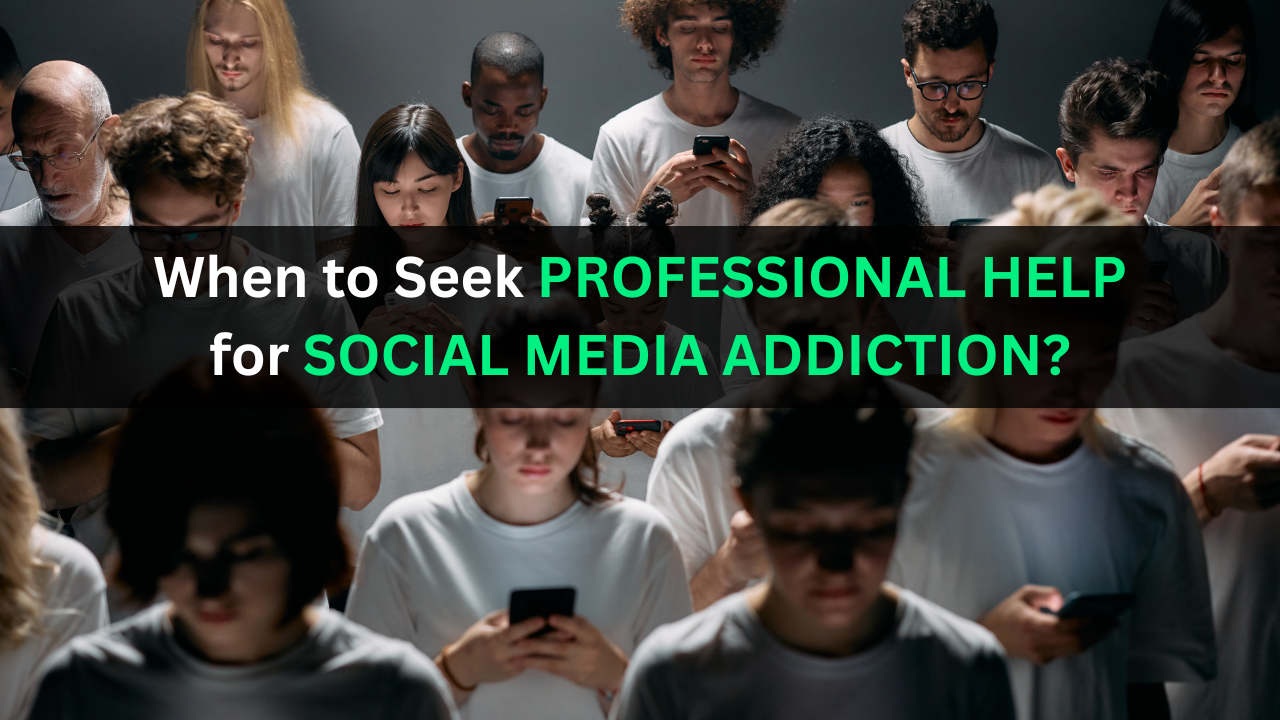
Is Your Child Just Scrolling or Facing Social Media Addiction?
It often starts in a simple way. Your child picks up their phone to check a message, watch a short video, or connect with friends. Before you know it, hours have passed. As a parent, you may wonder if this is just normal behavior or something more serious.
Social media has become a central part of teenage life. It helps children stay connected, express themselves, and stay informed. However, there is a growing concern among parents and mental health professionals about social media addiction. What seems like harmless scrolling can slowly turn into a habit that affects sleep, mood, relationships, and academic performance.
Many parents struggle to identify when to step in. Understanding the signs and knowing when to seek professional help can protect your child’s mental health and future well being.
What Is Social Media Addiction? Understanding the Basics
Social media addiction is not simply about spending too much time online. It is a pattern of behavior where a child feels a strong and constant urge to use social media, even when it causes problems in daily life.
A teenager with social media addiction may feel restless or upset when they cannot check their phone. They may repeatedly open apps without even thinking about it. Over time, this behavior becomes difficult to control.
Think of it like this. Using social media is normal, just like watching television or playing games. However, when it starts interfering with sleep, school, or relationships, it moves into unhealthy territory.
For example, a teen who occasionally spends extra time online during weekends is likely engaging in normal use. In contrast, a teen who stays up late every night scrolling and cannot function well during the day may be experiencing addiction.
Early Warning Signs of Social Media Addiction Parents Often Miss
In many cases, social media addiction develops slowly. The early signs are subtle, which makes them easy to overlook.
One common sign is increased irritability. If your child becomes frustrated or angry when asked to put their phone away, it may indicate a deeper issue. Another sign is constant checking of notifications, even during meals or conversations.
You may also notice a loss of interest in activities they once enjoyed. A child who used to play sports, read books, or spend time with family may begin to withdraw and prefer staying online.
Sleep changes are another important warning sign. Teens may stay up late scrolling through social media, leading to fatigue and difficulty waking up in the morning.
Some children also become secretive about their phone use. They may hide their screen, delete browsing history, or become defensive when questioned.
These behaviors may seem minor at first, but they often signal the beginning of a larger problem.
Normal Social Media Use vs Social Media Addiction
It is important for parents to understand the difference between normal use and social media addiction. Not all screen time is harmful.
Normal use is usually balanced. A child uses social media but still focuses on school, hobbies, and family. They can put their phone away without feeling upset and can enjoy offline activities.
In contrast, social media addiction involves a loss of control. The child prioritizes online activity over responsibilities and relationships. They may feel anxious or uncomfortable when they are not connected.
For example, a teen who uses social media for an hour after completing homework is likely maintaining a healthy balance. On the other hand, a teen who ignores homework, skips meals, or avoids family interactions to stay online may be struggling with addiction.
The key difference lies in how social media affects their daily life. If it begins to disrupt normal functioning, it is time to pay closer attention.
Emotional and Mental Health Impact of Social Media Addiction
Social media addiction can have a strong impact on a child’s emotional well being. Many teens begin to compare themselves to others online. This constant comparison can lead to feelings of inadequacy and low self esteem.
Anxiety is another common effect. Teens may feel pressure to respond quickly to messages or maintain a certain image online. They may also worry about likes, comments, or social approval.
Over time, this can lead to mood swings. A child may feel happy when they receive attention online and upset when they do not. This emotional dependence can become difficult to manage.
Depression can also develop, especially if the child feels isolated or rejected. Even though they are constantly connected, they may feel lonely in real life.
These emotional challenges often go unnoticed until they begin to affect daily functioning.
Behavioral and Academic Effects of Social Media Addiction
The effects of social media addiction are not limited to emotions. They often extend into behavior and academic performance.
Children may begin to withdraw from family and friends. Instead of spending time with others, they may choose to stay in their room using their phone. This can weaken relationships and reduce social skills.
Impulsivity may also increase. Teens with social media addiction may struggle to control their urges and may check their phone frequently, even in inappropriate situations.
Academic performance often suffers as well. A child who is constantly distracted may find it difficult to concentrate on schoolwork. Assignments may be incomplete, and grades may begin to drop.
For example, a student who once performed well in school may start missing deadlines or lose interest in learning. This change can be a clear sign that social media use is becoming problematic.
Risk Factors That Increase Social Media Addiction in Teens
Not all children are equally affected by social media. Some are more vulnerable due to underlying mental health conditions or personality traits.
Teens with ADHD may struggle with impulse control. They may find it difficult to limit their screen time and may seek constant stimulation from social media.
Children with anxiety may use social media as a way to avoid real life interactions. While this may provide temporary comfort, it can worsen anxiety over time.
Depression is another risk factor. Teens who feel low or disconnected may turn to social media for validation or distraction.
Low self confidence can also play a role. A child who does not feel secure in themselves may rely heavily on online approval.
Understanding these risk factors can help parents take early action and provide the right support.
When Should Parents Seek Professional Help for Social Media Addiction?
Knowing when to seek professional help is one of the most important steps a parent can take. While occasional overuse is common, certain signs indicate a need for expert support.
You should consider professional help if your child becomes extremely upset when they cannot access social media. This includes anger, frustration, or emotional withdrawal.
If repeated attempts to limit screen time fail, it may be a sign that the behavior is no longer under control. Another important indicator is a noticeable change in mood, such as increased anxiety, sadness, or irritability.
Sleep problems are also a concern. If your child stays up late using social media and struggles to wake up or function during the day, it may require intervention.
A decline in academic performance is another warning sign. If grades drop or your child loses interest in school, it may be linked to excessive social media use.
Social withdrawal is equally important. If your child avoids family gatherings or stops spending time with friends, it may indicate a deeper issue.
For example, if a teenager spends most of the night online, becomes irritable during the day, and starts failing classes, it is a clear signal that professional help is needed.
How Mental Health Professionals Treat Social Media Addiction
Professional support can help children regain control and develop healthier habits. Treatment is often tailored to the individual needs of the child.
One common approach is Cognitive Behavioral Therapy. This helps children understand their thoughts and behaviors related to social media use. It also teaches them how to manage urges and develop healthier coping strategies.
Family therapy is also beneficial. It improves communication between parents and children and helps establish clear boundaries around screen use.
Behavioral strategies are often used to create structure. This may include setting specific times for social media use and encouraging alternative activities.
In some cases, underlying conditions such as ADHD, anxiety, or depression are treated alongside social media addiction. Addressing these issues can significantly improve outcomes.
The goal of treatment is not to eliminate social media completely but to create a balanced and healthy relationship with it.
Practical Tips for Parents to Manage Social Media Addiction at Home
Parents can take several steps at home to support their child. These strategies can be effective on their own or alongside professional treatment.
Start by setting clear and consistent limits on screen time. Make sure your child understands the rules and the reasons behind them.
Encourage offline activities such as sports, hobbies, or family time. These activities provide healthy alternatives to screen use.
Create device free times, especially during meals and before bedtime. This helps improve sleep and encourages family interaction.
Open communication is essential. Talk to your child about their social media use without judgment. Try to understand their perspective and concerns.
It is also important to model healthy behavior. Children often follow what they see. Limiting your own screen time can set a positive example.
These steps may seem simple, but they can have a strong impact over time.
Social Media Addiction Treatment at Evolve Psychiatry
If you are concerned about your child’s behavior, seeking professional help early can make a meaningful difference. Social media addiction is treatable, and with the right support, children can regain balance in their lives.
Evolve Psychiatry provides comprehensive care for children and teens struggling with social media addiction, anxiety, ADHD, and depression. Treatment plans are personalized to address both the addiction and any underlying mental health conditions.
Evolve Psychiatry offers in person care at six clinics across New York and North Carolina:
• Evolve Psychiatry, Massapequa, New York
• Evolve Psychiatry, Syosset, New York
• Evolve Psychiatry, Albany, New York
• Evolve Psychiatry, Garden City, New York
• Evolve Psychiatry, Hauppauge, New York
• Evolve Psychiatry, Wilmington, North Carolina
Early intervention can help your child build healthier habits, improve emotional well being, and succeed in school and relationships. If you notice signs of social media addiction, reaching out for professional support is a strong and proactive step.
