
How Therapists Diagnose a Phobia: What the Process Actually Looks Like
What the Process Actually Looks Like
"What If My Fear Is More Than Just Fear?"
Have you ever wondered if a fear you have is more than ordinary? Maybe your heart races at the thought of flying, or you take a long way around to avoid a bridge. You might think, “Am I overreacting? Is this normal?” These doubts can be scary and isolating, but many people feel this way. The goal here is to explain clearly how therapists understand and diagnose phobias, step by step.
We will demystify the therapy process and show what really happens during a phobia assessment. By the end, you’ll know how therapists tell the difference between normal fear and a phobia, and what to expect in therapy. Let’s begin by defining what a phobia is.
What Is a Phobia?
A phobia is more than just a strong fear. It is an intense, overwhelming fear of a specific object or situation, with anxiety that is much stronger than the situation warrants. This fear usually lasts a long time (often 6 months or more) and can feel impossible to control. For example, many people dislike snakes, but someone with a snake phobia may panic at the sight of a small harmless snake. The fear is severe and immediate.
Common phobias include:
· Animals or insects (like spiders, dogs, snakes)
· Heights or storms
· Flying or driving
· Enclosed spaces (e.g., elevators, tunnels)
· Needles and medical procedures
· Social situations (like public speaking)
· Vomiting or choking
Everyone experiences fear sometimes. For instance, feeling nervous before a test or startled by a loud noise is normal. Normal fear is usually short-lived and fades once the danger passes. A phobia, however, is different:
· Intensity: The fear is extremely strong and immediate. Even thinking about the trigger can cause panic.
· Duration: It lasts a long time (often many months) and doesn’t go away on its own.
· Avoidance: You may go to great lengths to avoid the fear (e.g., not flying at all or skipping trips to places with animals).
· Physical reactions: The fear causes real symptoms (like a racing heart, sweating, shaking, nausea, or feeling faint).
In short, if a fear is very strong, long-lasting, and causes major avoidance, it could be a phobia.
Signs a Fear May Be a Phobia
Therapists look at these signs to decide if a fear is a phobia:
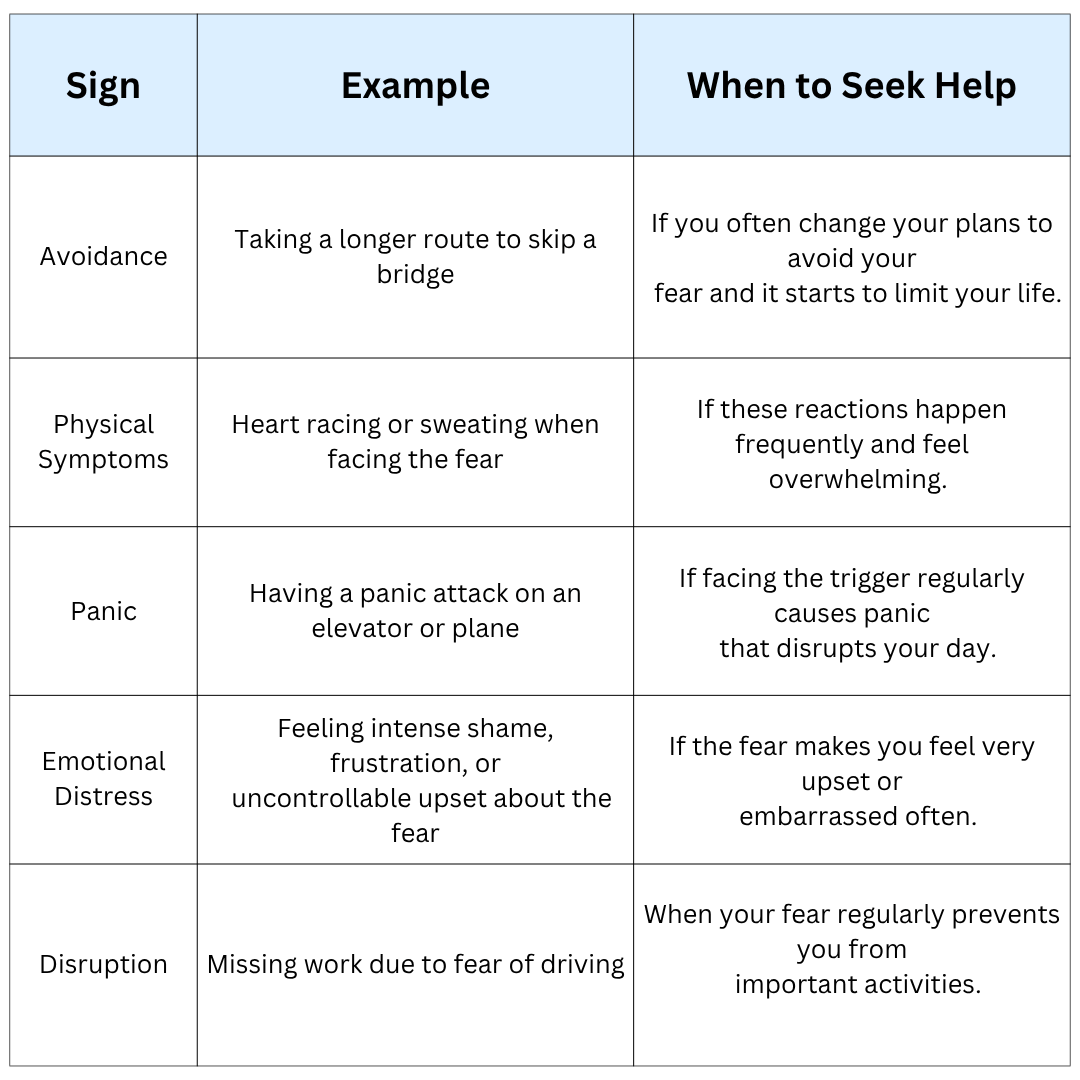
Even if only some of these sound like your experience, it could be important. Talking to a therapist can clarify whether your fear is a phobia.
When Do Therapists Suspect a Phobia?
Therapists look for clues that a fear has become a phobia. Key signs include:
Avoidance Behaviors
If you make big changes in your life to dodge the fear, that stands out. For example, always taking a long route to skip a bridge because you fear heights. Even small routines, like never walking in a park alone due to fear of dogs, can get noticed.
Physical Anxiety Symptoms
Noticeable body reactions are a clue. Do you tremble, sweat, or feel your heart pounding when near the feared object or situation? These are fight-or-flight responses. Such strong reactions in everyday scenarios tell a therapist that the fear is severe.
Panic Reactions
Panic attacks around the fear are a big hint. For instance, imagine standing in an elevator and feeling like you might faint. If facing the fear often causes full-blown panic, a therapist will pay attention.
Emotional Distress
Therapists also notice how much the fear upsets you. Do you feel deep shame, hopelessness, or frustration about being afraid? For example, someone might feel very embarrassed about being terrified of a harmless spider. High emotional pain from the fear is a clue therapists take seriously.
Daily Life Disruption
The most important sign is when fear disrupts daily life. This could mean missing work because of anxiety, avoiding school, or skipping social gatherings. When a fear keeps you from doing things you need or enjoy, therapists suspect it might be a phobia.
What Happens During a Phobia Diagnosis?
Seeing a therapist about a phobia is usually a calm, supportive process. It is very important to understand how phobias develop. Here's how it often goes:
First Therapy Consultation
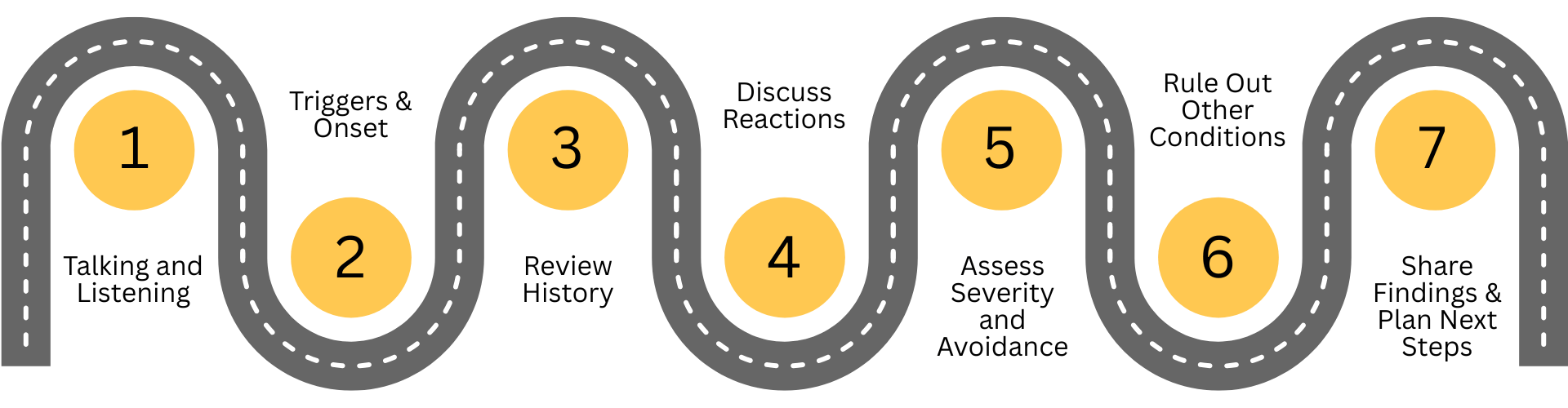
You begin with a relaxed conversation. A friendly therapist will ask what brought you in and listen carefully as you describe your fear. They’ll explain how therapy works and reassure you that this is a safe place to share your feelings.
Questions Therapists Ask
The therapist will ask about:
· Triggers: What exactly causes your fear?
· Timeline: When did the fear start, and has it changed?
· Symptoms: How does your body and mind react to it?
· Avoidance/Coping: Do you try to dodge certain situations or use methods to calm down?
· Impact: How much does the fear affect your daily life (work, school, relationships)?
These questions help the therapist understand the full picture.
Reviewing History and Ruling Out Other Issues
The therapist will ask about your medical and emotional history and any past traumas. They check for other possible causes (like a previous accident or another anxiety disorder) that might explain your symptoms. For example, a past accident in an elevator might explain claustrophobia. This helps ensure the diagnosis is accurate.
Do Therapists Use Official Diagnostic Criteria?
Yes, therapists use professional guidelines. They often refer to the DSM-5 manual, which defines a phobia as an intense, persistent fear of something specific that causes avoidance and life disruption for at least 6 months. Your therapist looks at your answers to see if they fit these patterns, but in everyday terms. For example, they’ll note if your fear seems much stronger than the actual danger and how much it disrupts your activities.
Determining the Type of Phobia
Therapists also identify the type of phobia, which helps tailor treatment. Common types include:
· Animal: fears of dogs, spiders, snakes, etc.
· Natural Environment: fears of heights, storms, water.
· Blood-Injection-Injury: fears of needles, blood, surgery.
· Situational: fears of flying, elevators, driving, etc.
· Other: any other triggers (like choking, vomiting, or loud noises).
Identifying the type helps the therapist plan a focused approach, but the main goal is to understand your personal experience of the fear.
What Does a Phobia Assessment Feel Like Emotionally?
It’s normal to feel nervous before the first session. Many people worry about being judged for their fear. Therapists know this and work hard to be warm and understanding. You won’t have to face anything you’re not comfortable with immediately.
Most people find therapy more comfortable than expected. You control the pace and share as much as you want. The therapist listens and asks questions but does not force you into any situation. Exposure to the fear happens only when you feel safe and ready.
Feeling emotional is okay. You might cry, or feel a sense of relief, or still feel anxious at times. All these feelings are natural. Therapists expect them and will support you through whatever you feel. Remember, being honest about your emotions helps them help you.
Myth vs Fact About Phobia Diagnosis and Therapy
Myth: “Phobias are just silly overreactions.”
Fact: Phobias are real anxiety disorders. They cause intense and uncontrollable fear. Your feelings are valid and a therapist will treat them seriously.Myth: “Therapists will force me to face my fear right away.”
Fact: No. Therapy is done at your pace. You progress through exposure gradually and only when you feel ready.Myth: “If I can still do some normal things, my fear isn’t that bad.”
Fact: People with phobias often adapt in ways others don’t see. You might still go to work but avoid specific situations. That doesn’t mean your fear isn’t serious—it may just mean you’ve found ways to cope.Myth: “Only very rare or strange fears are phobias.”
Fact: Even common fears (like vomiting or driving) can be phobias if they cause severe anxiety or avoidance. What matters is how much the fear impacts your life, not how unusual it sounds.
How Phobias Are Commonly Treated
The good news is that phobias are very treatable. Common treatments include:
Cognitive Behavioral Therapy (CBT)
CBT helps change the way you think about your fear. You learn to challenge negative thoughts (like “This will end terribly”) and replace them with more balanced ones. Over time, practicing these new thoughts reduces your anxiety response.
Exposure Therapy
Exposure therapy means facing the fear in small steps. For example, if you fear dogs, you might first look at a picture of a dog and then stand near a calm dog, gradually learning it’s safe. Each step is done gradually with a therapist’s support.
Relaxation Techniques
Learning to calm yourself can ease panic. Techniques include deep breathing, meditation, or muscle relaxation. For example, taking slow, deep breaths can slow your heart rate when anxiety spikes.
Coping Strategies for Daily Life
Use simple tools every day. Keep a journal of your fear episodes and what helps you cope. Gradually try facing small parts of your fear (like looking at an airplane photo if you fear flying). Talk with supportive friends or family about your progress. Reward yourself for any steps forward, no matter how small.
When to Seek Professional Help
Professional therapy is especially helpful if your fear is keeping you from work, school, or social activities. If you have frequent panic symptoms or feel very anxious most of the time, it’s time to reach out. Early help usually makes recovery faster.
Frequently Asked Questions
How do therapists diagnose a phobia?
They diagnose it by talking about your fear, symptoms, and history, then matching what you describe to phobia criteria (long-lasting, intense fear, avoidance, etc.).
What questions do therapists ask during a phobia assessment?
They ask what triggers your fear, when it started, how you react (body and mind), and how much you avoid it. They may also ask about your health, family history, and any related experiences.
Can a therapist diagnose a phobia in one session?
Usually not. A therapist might suspect a phobia quickly, but they gather details over a few visits to be sure and to rule out other issues.
What is the difference between fear and a phobia?
Fear is a normal response to danger that fades once it passes. A phobia is an extreme, persistent fear that causes panic or avoidance even if the danger is minor or not present.
Do therapists use DSM criteria for phobias?
Yes, as guidelines. They check if your fear is very strong, lasts a long time, and disrupts life. They do this by talking through your experience.
How do therapists tell the difference between OCD and a phobia?
OCD involves repetitive thoughts and rituals. A phobia is fear of a specific thing without those rituals. Therapists listen to see which fits your symptoms.
Is exposure therapy scary?
It might seem scary, but it is done very gradually. You only progress when you feel ready, and you always remain in control. Over time, facing small steps of the fear usually makes it less frightening.
Can phobias cause panic attacks?
Yes. Encountering the fear can trigger panic symptoms (racing heart, dizziness, etc.) in people with phobias. A therapist can teach you ways to manage these symptoms.
What type of therapy works best for phobias?
CBT and exposure therapy are usually best. These methods help change fearful thoughts and gradually face the fear in a safe way.
When should someone seek help for a phobia?
If your fear regularly stops you from important activities (like work, school, or social events) or causes you intense distress, seek help. Early treatment can prevent the fear from worsening.
Are phobias treatable without medication?
Yes. Many people overcome phobias with therapy alone. Medication is rarely needed, though a doctor may prescribe it for severe anxiety in some cases.
Can childhood experiences contribute to phobias?
Often yes. A traumatic event in childhood can trigger a phobia, as can learning fears from others. If a childhood fear stays very strong over time, it may become a lasting phobia.
What happens during the first therapy appointment for anxiety or phobias?
The first session is mostly getting to know you. You describe your concerns and the therapist asks questions about your fear and background. It’s an introduction and a chance to build trust.
How long does phobia treatment usually take?
It varies. Some people improve in a few sessions, while others may need several months. Often therapists plan around 6–12 sessions, but they adjust as needed.
Understanding Your Fear and Moving Forward
Living with a phobia can be challenging, but phobias are treatable with the right support. Seeking help is a sign of strength. Therapists provide a safe, supportive environment to work on your fear step by step. Over time, therapy can help you reduce anxiety and regain control of your life.
If your fear is affecting you, professional help is available. Evolve Psychiatry offers compassionate care at six clinic locations:
· Evolve Psychiatry, Massapequa, New York
· Evolve Psychiatry, Syosset, New York
· Evolve Psychiatry, Garden City, New York
· Evolve Psychiatry, Albany, New York
· Evolve Psychiatry, Hauppauge, New York
· Evolve Psychiatry, Wilmington, North Carolina
Understanding your fear is the first step toward healing. With the right help, you can learn to not let your fear hold you back.
