
TMS Test: What It Is and Why It Matters Before Treatment
“Is There a Test Before Starting TMS?” What Most Patients Don’t Know
If you are considering TMS therapy, you might be wondering something very important. Is there a test before starting TMS? And how do doctors know if this treatment will actually work for you?
These questions are very common. Many people assume there must be a scan or some kind of medical test that decides everything. Others worry that the process might be complicated or uncomfortable.
The truth is much simpler and more reassuring. Before starting treatment, doctors perform a TMS test, also called a TMS assessment. This step helps create a personalized plan that fits your specific needs.
In this guide, you will understand what a TMS test really is, how it works, and why it plays a key role in getting the best results from treatment.
What Is a TMS Test or TMS Assessment?
Understanding the Meaning of a TMS Test
A TMS test is not a traditional test like a blood test or brain scan. It is a structured clinical evaluation done before starting treatment.
Think of it as a planning step. Instead of testing for disease, it helps your doctor understand how your brain and symptoms should be treated using TMS.
Why It Is More Like a Personalized Assessment
A better way to understand a TMS assessment is to compare it to creating a custom plan. Just like a fitness trainer designs a workout based on your body and goals, a clinician designs your TMS treatment based on your mental health profile.
This includes your symptoms, past treatments, and how your brain responds during the initial setup. The goal is to make sure your treatment is not generic but tailored specifically for you.
Is There a TMS Scanner? Understanding How TMS Evaluation Works
The Truth About the “TMS Scanner”
Many people search for terms like “TMS scanner” and assume there is a machine that scans the brain before treatment. In reality, there is no standard scanner like an MRI or CT scan used in most TMS evaluations.
This is a common misunderstanding. TMS does not rely on imaging in the same way other medical procedures do.
How Brain Mapping Works Instead
Instead of a scanner, doctors use a process called brain mapping. This helps identify the exact area of the brain that should be stimulated.
You can think of it like finding the right spot before starting therapy. Just like placing a speaker in the right position improves sound quality, targeting the correct brain area improves treatment effectiveness.
This step ensures that the magnetic pulses reach the areas responsible for mood and emotional regulation.
How Do Doctors Decide If You Need a TMS Test?
Who Is a Good Candidate for TMS
TMS is commonly used for people dealing with depression, anxiety, OCD, and sometimes ADHD-related symptoms. It is especially helpful for those who have not found enough relief from medication or therapy.
If your symptoms continue to affect your daily life despite trying other treatments, a TMS assessment may be recommended.
Key Factors Doctors Evaluate
During the evaluation, doctors look at several important factors:
The severity and duration of your symptoms
Your past treatment history
How your symptoms affect your daily functioning
Any co-existing mental health conditions
This helps them decide whether TMS is a suitable option and how to design your treatment plan.
What Happens During a TMS Test? Step-by-Step Process
Step 1: Initial Consultation
The process begins with a detailed conversation. You will discuss your symptoms, challenges, and treatment goals with your provider.
This step helps build a clear understanding of your mental health journey.
Step 2: Symptom and Mental Health Evaluation
Your doctor will assess patterns in your mood, behavior, and emotional responses. This is not about judging you. It is about understanding what you are experiencing so the treatment can be more effective.
Step 3: Brain Mapping and Positioning
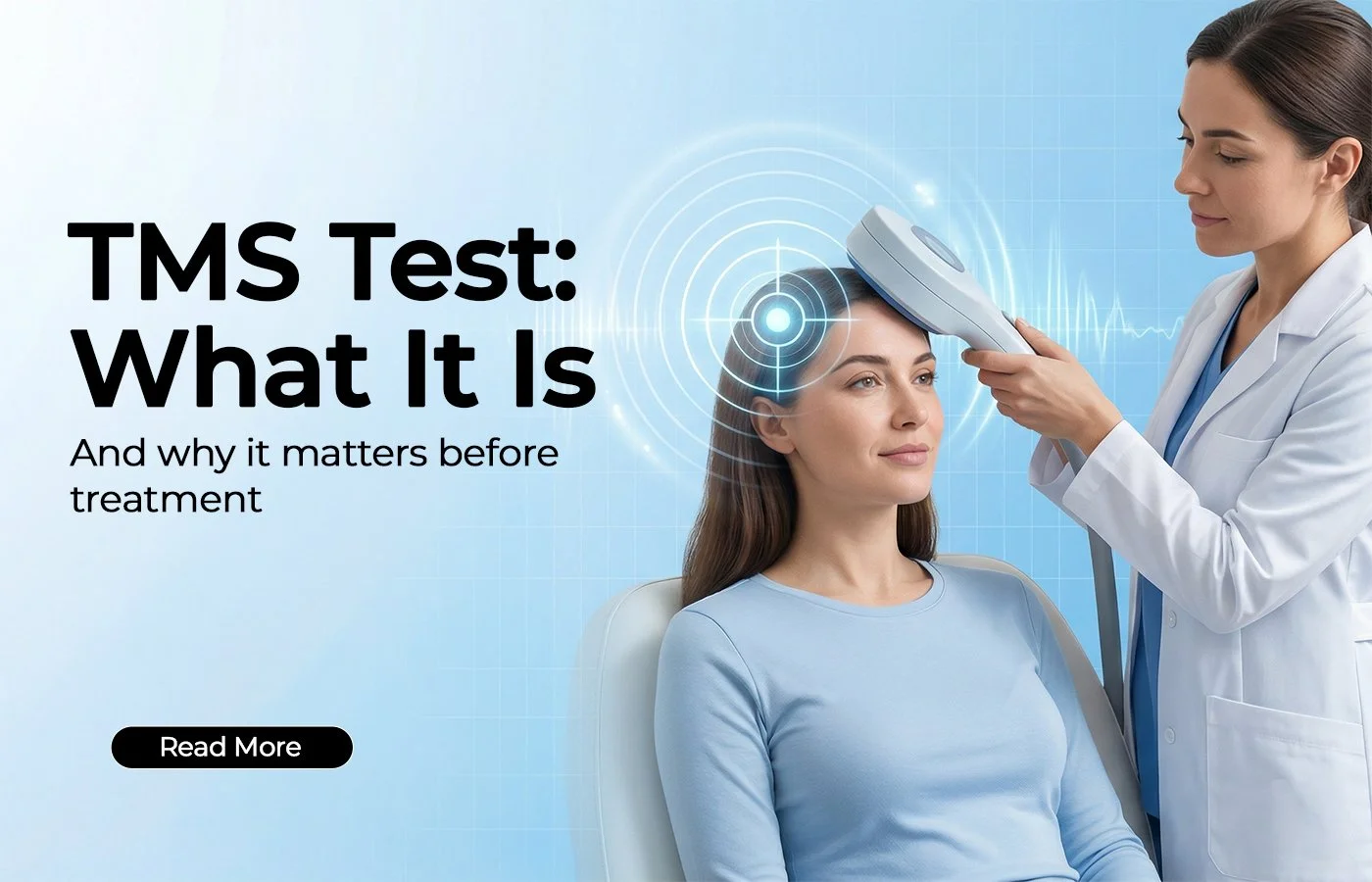
Next comes brain mapping. The clinician identifies the correct area on your scalp where the TMS device will be placed.
You may feel light tapping sensations during this step. It is generally well tolerated and does not require any recovery time.
Step 4: Determining Treatment Settings
Finally, the doctor sets the intensity and frequency of the treatment. This is adjusted based on your comfort level and response.
This step ensures that your treatment is both safe and effective from the beginning.
Why the TMS Test Is Important Before Starting Treatment
Improves Accuracy of Treatment
A proper TMS assessment ensures that the treatment targets the right area of the brain. This increases the chances of success.
Ensures Safety and Comfort
By understanding your response during the test, doctors can adjust settings to keep the experience comfortable.
Increases Chances of Success
When treatment is personalized, results are often better. Skipping this step would be like starting a journey without a map.
Common Myths About TMS Test and TMS Scanner
Myth 1: You Need a Complex Brain Scan
Many people think they need a scan before TMS. In most cases, this is not required. The assessment itself provides enough information.
Myth 2: The Test Is Painful
The TMS test is generally comfortable. Some people feel mild tapping or tingling, but it is usually easy to tolerate.
Myth 3: It Is Just a Formality
The assessment is not a routine step that can be skipped. It plays a key role in making the treatment effective.
Is a TMS Assessment Necessary for Everyone?
Why Skipping Evaluation Can Affect Results
Without proper evaluation, treatment may not be targeted correctly. This can reduce its effectiveness.
How Proper Assessment Builds Confidence
When you understand your treatment plan, you feel more confident and less anxious. Knowing what to expect makes the journey easier.
Should You Consider a TMS Test? A Simple Decision Guide
Signs You May Benefit from a TMS Assessment
You may consider a TMS test if:
You continue to struggle with symptoms despite treatment
Medications cause side effects
You are looking for a non-medication option
What to Expect Emotionally Before Starting
It is normal to feel unsure or even nervous. Starting something new can feel overwhelming. But understanding the process helps reduce that fear.
How to Move Forward with Confidence
A consultation with a qualified professional can give you clarity. Once you understand your plan, the process feels much more manageable.
Frequently Asked Questions About TMS Test
What is a TMS test?
A TMS test is a personalized assessment that helps plan your treatment.
Is there a TMS scanner?
No, there is no standard scanner. Doctors use brain mapping instead.
How long does a TMS assessment take?
It usually takes one session before treatment begins.
Is the TMS test painful?
Most people find it comfortable with mild sensations.
Do I need tests before starting TMS?
Yes, assessment is important to ensure proper treatment planning.
Can I skip the TMS assessment?
It is not recommended, as it affects accuracy and results.
The TMS Test Is the First Step Toward Effective Treatment
A TMS test is not something to fear. It is the first and most important step in creating a treatment plan that works for you.
Instead of being a complicated process, it is a simple and structured way to understand your needs. It helps ensure that your treatment is accurate, safe, and effective.
If you are considering TMS, the best next step is to speak with experienced professionals who can guide you through the process.
Evolve Psychiatry offers in person care at six clinics across New York and North Carolina:
• Evolve Psychiatry, Massapequa, New York
• Evolve Psychiatry, Syosset, New York
• Evolve Psychiatry, Albany, New York
• Evolve Psychiatry, Garden City, New York
• Evolve Psychiatry, Hauppauge, New York
• Evolve Psychiatry, Wilmington, North Carolina
At Evolve Psychiatry, expert clinicians guide you through every step, from assessment to treatment. With the right evaluation and support, you can move forward with clarity and confidence toward better mental health.
