
Is TMS Permanent? What You Need to Know About Long-Term TMS Results
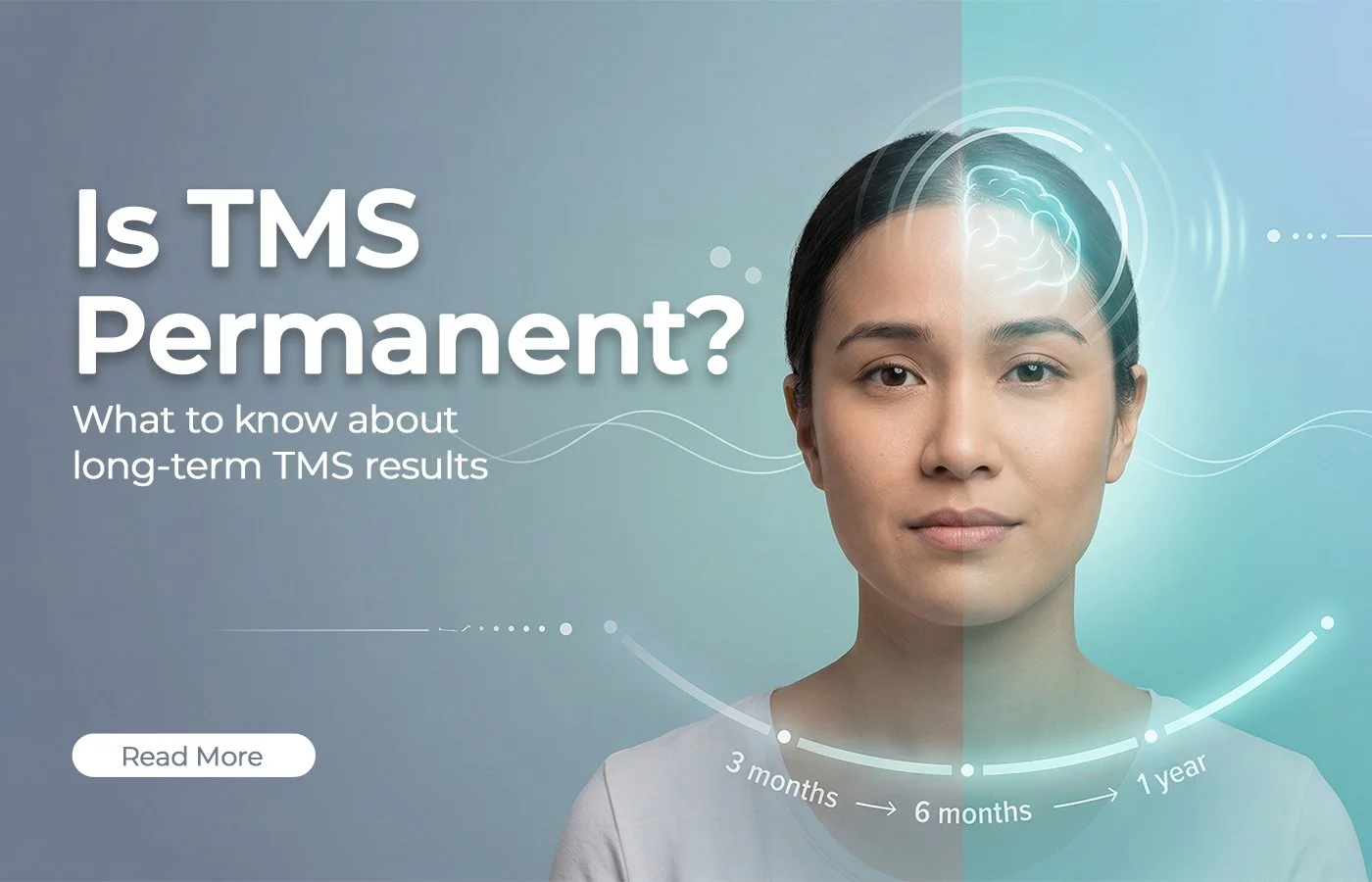
“Will My Depression Come Back After TMS?”
Undergoing TMS (transcranial magnetic stimulation) therapy brings hope. After weeks of treatment, a common worry can sneak in: “Is this long-term or just temporary relief?” It’s a natural concern. Many patients want to know if the effects of TMS will last, or if their depression or anxiety might return.
Rest assured, this guide will clarify what “permanent” means in the context of TMS therapy. We’ll explain how TMS works, what kind of lasting changes it creates in the brain, and what factors affect how long the benefits last. By the end, you’ll have a realistic understanding of what to expect and how to maintain your progress.
What Is TMS and How Does It Work?
TMS Explained Simply
Transcranial magnetic stimulation (TMS) is a non-invasive brain stimulation treatment. It uses a magnetic coil placed near the scalp to send gentle pulses into the brain. These pulses target specific areas linked to mood and emotional regulation, especially regions that may be underactive in depression or anxiety.
Imagine TMS as a way to “jump-start” your brain’s mood centers. Each session acts like a little workout for those neural circuits, helping them become more active and connected. Unlike medications, TMS works directly on the brain circuits without adding chemicals to the body.
How TMS Changes the Brain Over Time
TMS does not provide an instant cure. Instead, it helps the brain build and maintain strength over time. You can think of it like going to the gym: one workout won’t suddenly transform your fitness, but a series of workouts leads to lasting strength gains. Similarly, each TMS session gently nudges your brain’s networks. Over multiple sessions, these small changes add up and can result in meaningful improvement in mood and functioning.
Also Read: TMS Test: What It Is and Why It Matters Before Treatment
What “Permanent” Means in Mental Health Treatment
Ongoing Care vs. One-Time Fix
In mental health, “permanent cure” is a tricky concept. Conditions like depression or OCD often require ongoing care, similar to how chronic physical conditions work. For example, someone with diabetes needs regular insulin, and someone with high blood pressure takes medicine long-term. Mental health can be similar: even if symptoms improve dramatically, the underlying vulnerability can remain.
Think of recovery as an ongoing journey rather than a final destination. A treatment that gives you lasting improvement for many months or even years can feel life-changing, even if it’s not truly one-time and done forever.
Realistic Expectations
Saying TMS is “permanent” can set unrealistic expectations. Instead, it’s more accurate to ask: “How long will my relief last, and what can I do to maintain it?” Many successful patients enjoy long-term symptom relief, but it’s wise to be prepared for follow-up steps. In practice, TMS is often the major initial step, and other supports (therapy, healthy habits, occasional boosters) help keep the benefits going.
Is TMS Permanent? A Clear and Balanced Answer
TMS Can Produce Long-Lasting Change
Good news: TMS often creates lasting improvements in the brain. Studies have shown that a significant number of patients maintain their gains for months after treatment. For many people, the improvements continue well beyond the last TMS session. Even without any further treatment, a large portion of patients stay noticeably better for at least six months, and many remain improved at one year.
Why It’s Not Always Permanent
However, it’s important to be realistic. Not every patient will stay symptom-free forever after one course of TMS. Around one year after treatment, roughly half of patients may experience some return of their symptoms. This doesn’t necessarily mean a full relapse into severe depression, but it might mean mood dips or anxiety creeping back in gradually.
This is not a failure of TMS — it reflects how mental health works. Many factors (life stress, hormonal changes, other illnesses) can influence mental well-being over time. TMS changes the brain’s wiring in a positive way, but other factors can affect those new circuits later.
The Bottom Line
So, is TMS permanent? No treatment can guarantee a lifetime fix, but TMS often provides durable relief. Think of it this way: TMS can give you months or years of improvement, and your brain is generally more stable. But like a strong foundation, it sometimes needs a bit of upkeep, especially if life throws something big at you. In sum, TMS offers long-lasting benefits, though it may not be permanent without additional support.
How Long Do TMS Results Typically Last?
Average Duration of Results
Research and patient follow-ups give us a good picture of TMS durability. Among patients who respond well to their initial TMS treatment, about two-thirds (around 65-70%) maintain their improvement at three months. By six months, about half still report feeling much better than before treatment. At one year, roughly 40-50% of those initial responders remain improved without additional maintenance.
In simple terms: many patients enjoy at least half a year or more of symptom relief after TMS. These results are much longer than you typically get from a brief therapy course or short-term medication trial.
Factors That Help Long-Term Success
Several factors can influence how long results last. Typically, patients who achieve a full remission (symptoms largely gone) during their TMS course tend to stay well longer than those who only partially improved. Other good signs for durability include a shorter duration of illness and having support like therapy or medication.
Having a healthy lifestyle also helps. For example, regular exercise, good sleep, and stress management can strengthen the new neural pathways formed by TMS. These habits act like maintenance exercises for your brain’s “gym workout,” helping the gains stick around longer.
Why TMS Results Vary from Person to Person
Every brain is unique, so it’s normal that TMS does not have the same timeline for everyone. Here are some reasons why:
Severity and History: Someone with short-term depression may respond more permanently than someone with many years of recurrent episodes.
Consistency: Completing the full recommended treatment (e.g. 30 sessions over 6 weeks) maximizes durability. Missing sessions or stopping early can weaken the outcome.
Individual Brain Response: Like medications, TMS works better for some brains than others. Genetic factors and how the brain responds to stimulation play a role.
Co-existing Conditions: Anxiety, ADHD, OCD, or other medical issues can affect how lasting the results are. For example, untreated anxiety can chip away at mood improvements.
Supportive Care: Patients who stay in therapy or continue healthy habits tend to hold onto their gains longer. It’s a team effort between the treatment and your life.
These factors mean we can’t say exactly how long TMS will last for any one person. But understanding them helps us create a plan to maximize and maintain benefits.
Can Symptoms Return After TMS?
Understanding Relapse
It is possible for symptoms to come back after TMS. This doesn’t mean TMS didn’t work; rather, it means depression and anxiety can be recurrent.
Think of it like this: TMS is like having a period of excellent health. After a cold, you might feel great, but you still wash hands, eat well, and maybe take a vitamin to stay healthy. Similarly, after TMS, you may need some maintenance steps to keep symptoms at bay.
Early Warning Signs
Often, any return of symptoms is gradual. You might notice things like feeling slightly irritable again, having a day or two with low mood, trouble sleeping, or feeling less motivated. These early signals usually appear over weeks or months.
The good news is that catching these signs early is a key step. If you or your doctor notice them beginning, you can take action (like a booster) before a full relapse happens.
What Are Booster Sessions and Why Do They Matter?
How Booster Sessions Work
Booster sessions (sometimes called “maintenance TMS”) are extra TMS treatments given after your initial course, typically if symptoms start to come back. They’re usually shorter, like a handful of treatments, rather than the full 4-6 week course.
When Boosters Are Recommended
Doctors might recommend a booster if you had a very strong initial response but then your mood starts drifting downward a bit. Some clinics also schedule routine booster sessions for high-risk patients (for example, someone with many past episodes).
How Booster Sessions Help
Booster sessions re-energize the positive brain changes that TMS created. For many people, a short booster series is enough to recapture the improvement. One study found that around 84% of patients who relapsed regained their benefit after receiving boosters. Think of it like re-tuning a guitar: it keeps the note clear.
In practice, boosters are often very effective at preventing a full return of depression or anxiety. They provide a safety net. With periodic boosters as needed, many patients stay well far beyond what they would on a single course alone.
How to Maintain TMS Results Long-Term
While TMS gives you a strong advantage, there are ways to help your improvement last:
Therapy and Counseling: Continue or start talk therapy. Therapy helps you build coping strategies and catch negative thoughts early.
Healthy Lifestyle Habits: Regular exercise, a balanced diet, good sleep, and stress reduction reinforce brain health. These habits support the “wiring” that TMS has improved.
Routine Check-Ins: Keep follow-up appointments. Your provider can monitor symptoms and suggest a booster before things get worse.
Medication and Supplements: If you were on medications, continue them if prescribed. Sometimes staying on a low dose of an antidepressant can help maintain mood stability.
Support Network: Lean on friends, family, support groups, or coaches who understand your situation. Social support is a powerful buffer against relapse.
Think of maintaining TMS results like ongoing car maintenance after an engine tune-up. You still want to check the oil, rotate the tires, and catch small issues early. Similarly, these steps help keep your “engine” running smoothly.
Is TMS Right for You? A Simple Decision Guide
Who Benefits Most from TMS?
TMS is FDA-approved for depression and OCD and is used for anxiety and PTSD as well. It’s especially helpful for people who:
Have tried medications or therapy without full relief.
Experience troubling side effects from medications.
Want a non-medication option.
Are motivated to stick with the treatment schedule.
If any of these describe you, TMS might be a good option.
Questions to Ask Your Provider
Before or during treatment, ask:
“What are realistic expectations for me after TMS?”
“Will I need boosters or other follow-up?”
“How can I know if symptoms are returning?”
A good provider will answer these and work with you to create a personalized plan. Knowing what to expect can reduce anxiety about the treatment’s duration or permanence.
Confidence Through Understanding
Finally, remember that TMS is well-studied and continues to improve. You’re taking an active step to invest in your mental health. With knowledge, you’ll feel more in control and ready to maintain your gains.
Frequently Asked Questions About “Is TMS Permanent?”
Is TMS permanent or does it wear off?
TMS can lead to long-lasting improvement, but it’s not usually a one-time fix for life. About half of patients maintain benefits at one year without more treatment. Think of it as getting a strong head-start that you then support with boosters or healthy habits.
Is TMS therapy permanent for depression?
In many cases, depression stays in remission for months after TMS. Research shows many patients remain well up to a year. However, some may need occasional “tune-ups” if symptoms start to come back.
Can depression or anxiety come back after TMS?
Yes, it can. It often returns gradually rather than suddenly. This is common in chronic conditions. The advantage of TMS is that it makes the brain stronger, so if symptoms do creep back, you’ve already built a foundation to rebuild on with boosters or other support.
How long do TMS results last on average?
Many patients enjoy relief for 6 months or longer after TMS. Studies found around 65-70% keep improving at 3 months, and about 45-50% at 12 months. The exact length varies per person.
What if I start feeling depressed again after TMS?
First, don’t panic. Notice any small changes and talk to your doctor. Often just a short booster series (a few sessions) can restore the benefits. In other words, a quick “refresher” can often put you back on track.
Do I need to stay on medication after TMS?
TMS can be used with or without medication. If you were on an antidepressant, talk with your doctor before stopping it. Some people continue medication to help maintain mood stability after TMS, but this depends on your case.
What factors affect how long TMS will help me?
Several factors matter: how long you’ve had the condition, how severe it was, how fully you improved, other mental health conditions you have, and your overall routine (sleep, stress, exercise). Addressing those factors alongside TMS gives the best long-term outcome.
TMS Offers Lasting Relief - Here’s How to Make It Last
TMS often delivers meaningful, long-lasting relief from depression or anxiety. It rewires your brain for the better. For many patients, the improvement lasts months to years. However, like any good treatment, it usually isn’t truly permanent on its own. It’s most reliable when paired with follow-up care.
Key takeaways: TMS can be a game-changer, but it works best as part of an ongoing plan. Think of it as giving your brain a strong new foundation. With that foundation, you use healthy habits, therapy, and timely booster sessions to build a lasting structure.
Stay hopeful and proactive. If you ever feel symptoms creeping back, remember the benefits you already have and reach out for support. TMS remains a powerful tool, and recent research shows that most patients continue to benefit long-term, especially with supportive strategies.
Find TMS Treatment at Evolve Psychiatry: For expert guidance on TMS and ongoing care, consider visiting an Evolve Psychiatry clinic. We offer in-person TMS therapy at six locations across New York and North Carolina:
At Evolve Psychiatry, our experienced team will work with you to create a treatment plan that fits your needs. We’ll explain exactly how TMS works, help set realistic expectations, and guide you through maintenance strategies so you can enjoy the longest-lasting relief.
If you have questions about TMS or want to explore whether it’s right for you, please reach out. We’re here to help you on your path to better mental health.
